

Plantar Fasciitis: 7 Effective Ways to Relieve Heel Pain
Do you experience sharp pain underneath your heel when you get out of bed in the morning? Does your heel hurt after standing for a long time or walking after sitting? These symptoms may be associated with plantar fasciitis, a common condition that affects the bottom of the foot.
Heel pain can make simple daily activities uncomfortable. Walking around the house, exercising, working on your feet or enjoying outdoor activities may become difficult. Fortunately, many people improve with appropriate activity adjustments, exercises and physiotherapy.
Understanding plantar fasciitis, recognising its symptoms and addressing contributing factors can help you manage discomfort and gradually return to your usual activities.
What Is Plantar Fasciitis?
Plantar fasciitis is a condition involving irritation and changes in the plantar fascia, a thick band of connective tissue that runs along the bottom of your foot. It connects the heel bone to the base of the toes and helps support the foot’s arch.
The plantar fascia plays an important role in absorbing forces and supporting your foot while walking, running and standing. Repeated loading or excessive strain can contribute to pain around its attachment near the heel.
Although the condition is commonly called plantar fasciitis, persistent cases may involve degenerative changes in the tissue rather than inflammation alone.
7 Common Symptoms of Plantar Fasciitis
Symptoms can vary between individuals. However, some common signs include:
1. Sharp Heel Pain in the Morning
One of the most recognised symptoms is pain underneath the heel when taking the first few steps after waking up. The discomfort may gradually ease as you move around.
2. Pain After Sitting for a Long Time
Standing up after sitting for an extended period may trigger heel discomfort. The first few steps can feel particularly uncomfortable.
3. Pain After Physical Activity
Some people experience increased heel pain after walking, running or exercising. The discomfort may become noticeable once the activity has finished.
4. Tenderness Under the Heel
The bottom or inner side of the heel may feel tender when pressed. This tenderness can make walking barefoot on hard surfaces uncomfortable.
5. Discomfort After Long Periods of Standing
People who spend several hours standing at work may notice increasing heel discomfort throughout the day.
6. Stiffness in the Foot
The foot may feel stiff after resting or first thing in the morning. Gentle movement may help reduce the feeling of stiffness.
7. Changes in Walking Patterns
Persistent heel pain may cause you to change how you walk to avoid putting pressure on the painful area. This can sometimes place additional stress on other parts of the foot or leg.
What Causes Plantar Fasciitis?
Plantar fasciitis usually develops through a combination of factors that increase stress on the plantar fascia. It is not always possible to identify one specific cause.
Common contributing factors include:
- Sudden increases in activity: Increasing walking, running or exercise intensity too quickly can place additional stress on the foot.
- Prolonged standing: Spending long periods on your feet, particularly on hard surfaces, may contribute to heel discomfort.
- Foot structure: Certain foot shapes, including particularly high arches or flatter arches, may influence how forces are distributed through the foot.
- Calf muscle tightness: Reduced ankle flexibility may affect foot movement and loading during walking.
- Inappropriate footwear: Shoes that do not provide suitable comfort and support for your activities may contribute to symptoms.
- Running-related stress: Changes in running distance, speed, terrain or training frequency can increase the load placed on the feet.
- Body weight: Higher body weight can increase the mechanical load experienced by the plantar fascia.
7 Effective Ways to Manage Plantar Fasciitis
Managing plantar fasciitis often involves reducing excessive irritation while gradually improving the foot’s ability to tolerate everyday activities.
1. Choose Comfortable and Supportive Footwear
Footwear can influence how pressure is distributed across your feet. Choose comfortable shoes that fit properly and provide suitable support for your daily activities.
Avoid regularly walking barefoot on hard surfaces if this increases your symptoms. The most appropriate footwear depends on your foot structure, comfort and activity requirements.
2. Try Gentle Plantar Fascia Stretching
Gentle stretching may help improve flexibility and reduce discomfort for some people.
One option is to sit down, place your affected foot across the opposite knee and gently pull your toes towards your shin until you feel a stretch along the bottom of your foot.
Hold the stretch for approximately 15–30 seconds and repeat a few times, provided it does not increase your pain.
3. Improve Calf Flexibility
Tight calf muscles can affect ankle movement and influence how your foot absorbs forces during walking.
A gentle calf stretch against a wall may help improve flexibility. Keep your heel on the floor and avoid pushing into painful positions.
4. Gradually Strengthen Your Foot Muscles
Strengthening exercises can help improve the capacity of your foot and lower leg to manage everyday loading.
Depending on your symptoms and physical ability, a physiotherapist may recommend exercises such as controlled calf raises, toe movements and resistance-based foot exercises.
Exercise difficulty should increase gradually rather than suddenly.
5. Adjust Your Daily Activities
Continuing activities that significantly increase heel pain may delay recovery. However, complete rest is not always necessary.
Consider temporarily reducing high-impact activities such as running or jumping if they aggravate your symptoms. You may be able to maintain fitness through lower-impact activities that feel comfortable.
6. Use Cold Therapy When Appropriate
Applying a cold pack wrapped in a towel to the painful area for a short period may provide temporary relief.
Alternatively, some people find gently rolling their foot over a chilled water bottle comfortable. Avoid applying ice directly to your skin, and stop if you experience skin irritation or increased discomfort.
7. Consider Physiotherapy
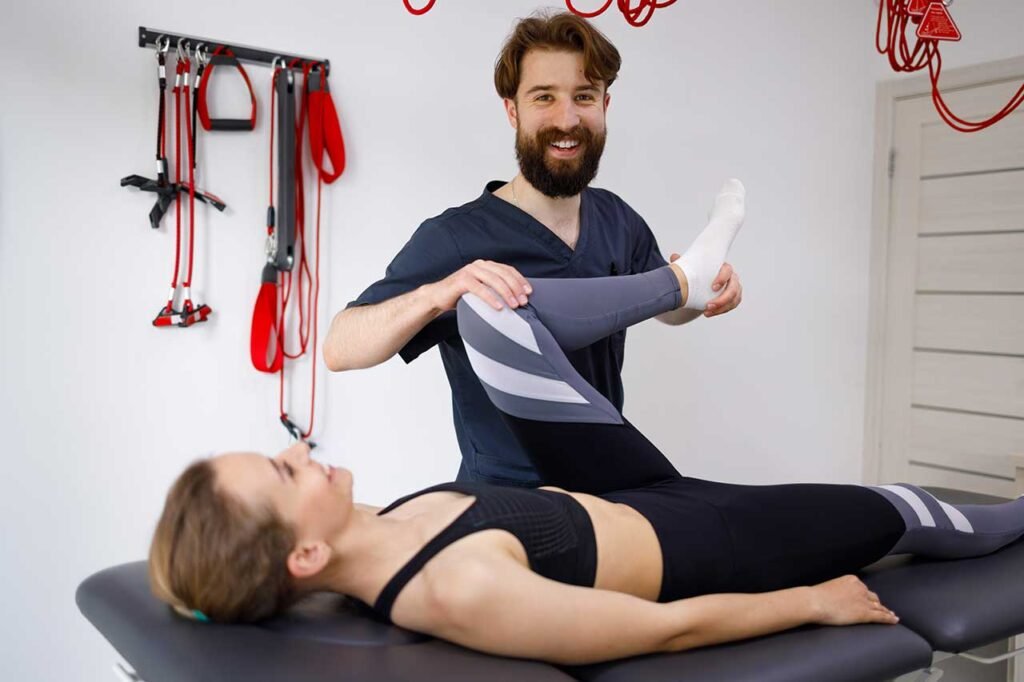
Physiotherapy can help identify factors contributing to heel pain and develop a treatment plan suited to your needs.
Your physiotherapist may assess your foot movement, ankle flexibility, calf strength, walking pattern and activity levels.
Depending on the assessment, treatment may include:
- Individualised stretching and strengthening exercises.
- Foot and ankle mobility exercises.
- Advice on footwear and activity modification.
- Gradual return-to-running or walking guidance.
- Manual therapy where appropriate.
- Progress monitoring and exercise adjustments.
How Can Physiotherapy Help Plantar Fasciitis?
Physiotherapy focuses on improving movement, managing symptoms and helping your foot gradually tolerate everyday activities.
Rather than treating everyone with the same exercise programme, a physiotherapist can assess your individual presentation and identify possible contributing factors.
A personalised treatment plan may help you:
- Manage heel pain during daily activities.
- Improve ankle and foot flexibility.
- Build foot and calf muscle strength.
- Improve walking and exercise tolerance.
- Return to recreational activities gradually.
- Understand how to manage symptoms independently.
Recovery times vary. Some people improve within several weeks, while persistent symptoms may take several months to settle. Consistency with an appropriate management plan is important.
When Should You See a Physiotherapist?
Consider seeking professional advice if:
- Your heel pain continues for more than a few weeks.
- Pain is affecting your ability to walk or work comfortably.
- You experience recurring heel pain after exercise.
- Morning heel pain is becoming increasingly uncomfortable.
- You are unsure which exercises or activities are suitable.
- Your symptoms are not improving with basic self-management.
Heel pain can have several causes, and not every case is plantar fasciitis. Sudden severe pain, significant swelling, inability to bear weight, fever or a recent injury should be assessed promptly by an appropriate healthcare professional. Seek urgent medical attention if you experience concerning symptoms.
Frequently Asked Questions About Plantar Fasciitis
1. Can plantar fasciitis go away on its own?
Many people improve with time and appropriate management. Adjusting activities, choosing comfortable footwear and following a suitable exercise programme may help. Persistent symptoms should be assessed by a healthcare professional.
2. Is walking good for plantar fasciitis?
Gentle walking may be suitable if it does not significantly aggravate your symptoms. However, prolonged walking or sudden increases in walking distance may worsen discomfort. Adjust your activity according to your symptoms.
3. Should I stop exercising if I have plantar fasciitis?
You may not need to stop all exercise. Consider temporarily reducing activities that increase heel pain and choosing comfortable lower-impact alternatives. A physiotherapist can help you plan a gradual return to your usual exercise routine.
4. Why does plantar fasciitis hurt more in the morning?
After periods of rest, the plantar fascia and surrounding tissues may feel stiff. The first few steps can place tension on the area and trigger discomfort. This is a common feature of plantar fasciitis.
5. Can footwear make plantar fasciitis worse?
Footwear that is uncomfortable or unsuitable for your activities may contribute to symptoms. Properly fitted shoes that feel comfortable and provide appropriate support may help reduce discomfort.
6. How long does plantar fasciitis take to heal?
Recovery varies depending on symptom duration, contributing factors and individual response to treatment. Some people improve within weeks, while others may need several months of consistent management.
7. Can physiotherapy help with chronic plantar fasciitis?
Physiotherapy may help people with persistent plantar fasciitis through individualised exercise, load management, movement assessment and symptom management strategies. Treatment should be based on an appropriate assessment.
Take the First Step Towards Comfortable Movement
Living with ongoing heel pain can affect your walking, work, exercise and everyday comfort. Understanding plantar fasciitis and addressing the factors contributing to your symptoms can help you take practical steps towards better foot function.
If heel pain is affecting your daily activities, professional assessment can help determine the possible cause and identify suitable treatment options.
PAX Physiotherapy provides physiotherapy services in Modbury North, Adelaide, with treatment plans designed around individual needs and movement goals.
Contact our team to discuss your heel pain and arrange an appointment.
PAX Physiotherapy
Unit 2, 438 Montague Road, Modbury North SA 5092
Phone: 08 8333 8333
Mobile: 0499 999 636
Email: admin@paxphysiotherapy.com.au
Website: PAX Physiotherapy
Disclaimer: This article provides general health information and is not a substitute for individual medical advice, diagnosis or treatment. Consult an appropriately qualified healthcare professional about your symptoms.
