

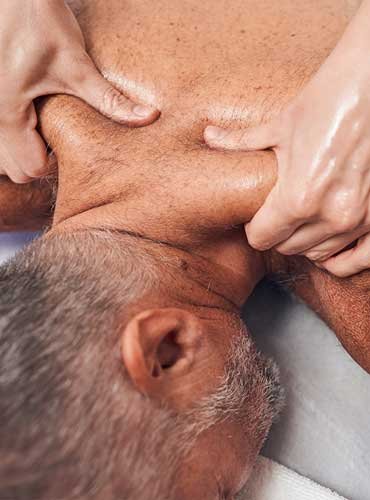
Wincing as a sharp, catching pinch hits the outside of your upper arm every time you reach into a high kitchen cupboard, feeling a deep, throbbing ache when trying to slip your arm through a jacket sleeve, or waking up repeatedly because rolling onto your sore shoulder feels like pressing on a tender bruise are deeply disruptive challenges. For keen gardeners, tradies, tennis players, desk professionals, and active retirees across Tea Tree Gully and neighboring northeastern Adelaide suburbs, seeking dedicated physiotherapy in Tea Tree Gully is the most reliable first step toward lifting your arm without catching or weakness.
When shoulder pain begins, it is frequently attributed to a rotator cuff tear, subacromial impingement, or shoulder bursitis. It is easy to fear that your shoulder tendon has torn completely through or that an invasive surgical repair is the only way forward. The clinical reality is far more encouraging: the shoulder joint is an extraordinarily mobile ball-and-socket system supported by four dynamic rotator cuff muscles (supraspinatus, infraspinatus, teres minor, and subscapularis) and the muscular slings of your shoulder blade. In the vast majority of cases, pain is an overload reaction rather than sudden structural failure. Keeping your arm pinned to your side in a sling causes these supporting muscles to lose baseline endurance, making reaching feel even stiffer. Through personalized, gentle physiotherapy Tea Tree Gully residents can safely settle tendon sensitivity, rebuild muscular control, and reach overhead with confidence.
Why Does the Shoulder Pinch, Catch, and Ache When Reaching?
The ball of your upper arm bone (the humerus) rests in a shallow socket on your shoulder blade. To keep that ball centered while your large deltoid muscle raises your arm, the rotator cuff muscles contract continuously to seat the head of the bone securely. Several common factors can cause this coordinated mechanism to falter:
Rotator Cuff Stamina Lag: When the supraspinatus or infraspinatus muscles fatigue, the head of the arm bone drifts upward slightly as you raise your arm, narrowing the subacromial space and pinching sensitive tendon fibers against the acromion bone.
Tired Shoulder Blade (Scapular) Stabilizers: Your shoulder blade must rotate upward smoothly to create clearance for the arm bone as you reach. If muscles like the serratus anterior and lower trapezius lack stamina, the socket stays tilted down, leading to that classic mid-range “painful arc.”
Overnight Compression from Side-Sleeping: Sleeping directly on the sore shoulder compresses the rotator cuff tendons against the bone, reducing local capillary circulation and creating intense night-time aching.
Sudden Changes in Overhead Activity: Spending a weekend painting ceilings, trimming high hedge branches along the foothills, or increasing overhead gym presses can ask more endurance from the tendons than they are currently conditioned to handle.
Structured, active conservative care is the recognized frontline standard for shoulder recovery. The Australian Physiotherapy Association highlights that guided, exercise-based rehabilitation for rotator cuff tendinopathy and partial tears produces functional outcomes and pain relief comparable to surgery, with significantly fewer risks and shorter recovery times. Learn how our comprehensive examinations evaluate your full upper-limb mechanics on our Services page.
How Gentle Physiotherapy in Tea Tree Gully Calms Shoulder Pain and Restores Strength
You do not need painful deep digging or aggressive arm cranking to help a cranky shoulder recover. Our physiotherapy Tea Tree Gully approach focuses on identifying your specific reaching limitations, easing local muscle guarding with gentle hands-on care, and giving you realistic exercises that fit into your lifestyle.
Our dedicated treatment pathway supports your recovery by:
Using hands-on soft-tissue release across tight chest muscles (pectoralis minor), upper traps, and the posterior shoulder capsule to restore balanced joint glide
Guiding you through comfortable isometric rotations—static holds against gentle resistance—that settle tendon sensitivity while building baseline muscular stamina
Evaluating your sleeping posture and arm positioning according to national health guidance from Healthdirect Australia to keep your shoulder offloaded overnight
Introducing progressive, controlled strengthening drills—such as resistance-band external rotations and supported wall slides—to rebuild scapular upward rotation
Coaching you on practical reaching and lifting mechanics so you can handle everyday household tasks, gardening, and sports without triggering an acute catch
By addressing the root mechanical causes of your shoulder pinch, our experienced clinicians on our Our Therapists page ensure your recovery is gentle, structured, and customized to your everyday routine.
Common Shoulder Symptoms We Support
Rotator cuff sensitivity and shoulder discomfort present in diverse ways depending on your daily activities. Our clinic regularly provides dedicated care for:
A sharp, catching pain on the outside of the upper arm when reaching out to the side or overhead (between 60 and 120 degrees)
Dull, nagging aches that radiate down toward the elbow, especially in the evening or after activity
Difficulty fastening a bra behind your back, reaching into a back pocket, or tucking in a shirt
Weakness or a feeling that your arm might give out when lifting a grocery bag or kettle
Shoulder stiffness and fatigue in tradies, painters, healthcare staff, and active retirees across Tea Tree Gully
Frustration from resting the arm for weeks, only to find the exact same catching twinge when you reach into the back seat of the car
Regardless of how long your shoulder has felt sore or restricted, structured and compassionate physiotherapy in Tea Tree Gully provides the clear answers and practical steps needed to help your arm feel capable, strong, and dependable again.
Your Step-by-Step Pathway to Effortless Reaching
At PAX Physiotherapy, we keep your care straightforward, comfortable, and focused on what you want to achieve:
Settle Local Tendon Sensitivity: We begin by finding immediate relief, utilizing gentle hands-on therapy, soothing heat or cold strategies, and night-time arm positioning to calm irritated tendon fibers.
Restore Easy Joint Glide: We introduce smooth, non-painful mobility drills—such as table-supported arm slides and gentle pendulum swings—that keep your shoulder moving without pinching.
Rebuild Rotator Cuff Endurance: We introduce low-load, pain-free isometric and resistance band drills to awaken the deep stabilizers and center the arm bone within its socket.
Retrain Shoulder Blade Coordination: We strengthen your upper-back and scapular muscles so your shoulder blade rotates upward effortlessly during reaching tasks.
Keep Your Shoulders Resilient Long-Term: We provide a short, manageable home routine and sensible lifting habits to ensure your shoulders stay strong and ready for work, hobbies, and sports.
Discover more about our friendly clinic culture and patient-centered philosophy on our About Us page.
Long-Term Benefits of Choosing Physiotherapy in Tea Tree Gully
Investing in structured physiotherapy in Tea Tree Gully today protects your shoulders, neck, and upper back for years to come:
Reaching into high cupboards, hanging laundry, and lifting luggage without wincing catches
Sleeping comfortably on either side through the night without waking to a deep, bruised arm ache
Dressing, styling hair, and fastening clothing with smooth, effortless flexibility
Balanced upper-back and shoulder strength that naturally supports your posture throughout the day
Returning to hobbies like tennis, swimming, golf, gym sessions, and gardening without post-activity soreness
Substantially reduced reliance on pain medications, rubs, or repeated cortisone injections
Peace of mind knowing your shoulder tendons are strong, adaptable, and supported by expert guidance
Book Your Physiotherapy Consultation Near Tea Tree Gully Today
If shoulder catches, rotator cuff soreness, or reaching weakness is getting in the way of your day, the dedicated team at PAX Physiotherapy is ready to help you move freely again. Located conveniently on Montague Road in Modbury North, our clinic provides welcoming, evidence-based care for residents across Tea Tree Gully, Modbury, Fairview Park, and the wider northeastern suburbs.
Visit our Contact page to schedule your thorough assessment, or explore our full range of therapies on our Services page to take the first step toward lasting shoulder relief.
Clinic Address: Unit 2/ 438 Montague Road, Modbury North SA 5092
Email: admin@paxphysiotherapy.com.au
Phone: 08 8333 8333
Mobile: 0499 999 636
