

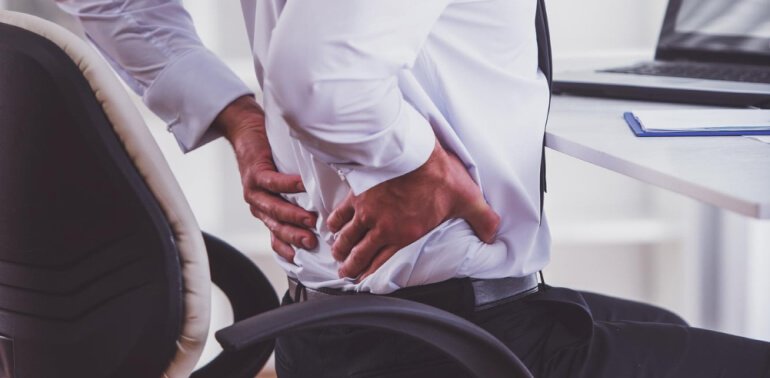
Do you often experience back discomfort after sitting at your desk for several hours? Whether you work in an office, study at home or spend considerable time using a computer, prolonged sitting can sometimes contribute to stiffness and discomfort in your back.
Modern lifestyles involve more sitting than ever. Long working hours, limited movement and poor workstation arrangements can make it difficult to maintain comfortable movement throughout the day.
Understanding how to manage back pain from sitting can help you develop healthier habits, improve mobility and make everyday activities more comfortable.
In this article, we explore seven practical ways to reduce sitting-related back discomfort and explain how physiotherapy can support better movement.
Why Does Sitting for Long Hours Cause Back Pain?
Sitting itself is not necessarily harmful. However, remaining in one position for extended periods without regular movement may contribute to muscle stiffness, discomfort and reduced movement tolerance.
Your back, hips and surrounding muscles work together to support your body during everyday activities. When you spend most of your day sitting, you may experience discomfort when changing positions or returning to physical activity.
Some common contributing factors include:
- Remaining in the same position for several hours.
- Working at a desk that is not properly adjusted.
- Limited physical activity throughout the day.
- Insufficient movement breaks.
- Reduced strength and endurance in supporting muscles.
- Stress and poor sleep habits.
Back pain can have several possible causes, so persistent symptoms should not automatically be attributed to sitting or posture alone.
7 Simple Ways to Manage Back Pain from Sitting
1. Take Regular Movement Breaks
One of the simplest ways to make long working hours more comfortable is to avoid remaining in the same position for too long.
Try standing up, walking around or changing your position regularly throughout the day. Even short movement breaks can help interrupt prolonged sitting.
You can make this easier by setting reminders on your phone or computer. Use breaks to refill your water bottle, walk around your workspace or perform gentle movements.
2. Adjust Your Sitting Position
Your workstation should allow you to sit comfortably without unnecessary strain. A suitable sitting arrangement can make working for extended periods more manageable.
Consider these adjustments:
- Keep both feet supported on the floor or a footrest.
- Adjust your chair to provide comfortable back support.
- Keep your shoulders relaxed.
- Position your screen around eye level.
- Keep frequently used items within comfortable reach.
Remember that there is no single perfect sitting posture. Changing positions regularly is also important.
3. Include Gentle Stretching Exercises
Gentle movement exercises can help improve comfort when your back feels stiff after sitting. Choose movements that feel comfortable and avoid forcing your body into painful positions.
Some exercises that may be appropriate include:
- Cat-cow movement: Gently move your spine between rounded and slightly arched positions while on your hands and knees.
- Standing back extension: Place your hands on your hips and gently extend your upper body backwards if comfortable.
- Hip flexor stretch: Use a supported half-kneeling position to gently stretch the front of your hip.
- Gentle trunk rotation: Rotate your upper body within a comfortable range while sitting or lying down.
Not every exercise is suitable for every type of back pain. Stop any movement that causes increasing or radiating pain and seek professional advice if symptoms persist.
4. Strengthen Your Core and Supporting Muscles
Your abdominal, back and hip muscles contribute to trunk control and everyday movement. Improving their strength and endurance may help you perform daily activities more comfortably.
Depending on your physical condition, suitable exercises may include:
- Bridges.
- Bird-dog exercises.
- Modified planks.
- Gentle abdominal strengthening.
Start with an appropriate difficulty level and gradually progress. A physiotherapist can help select exercises based on your movement ability and symptoms.
5. Avoid Spending the Entire Day Sitting
Regular physical activity is important for general health. If your work involves sitting for most of the day, try to include movement outside working hours.
You can introduce simple activities such as:
- Taking a short walk in the morning.
- Walking during lunch breaks.
- Using stairs when appropriate.
- Doing light household activities.
- Enjoying an evening walk.
Gradually increase your activity according to your fitness level. Consistency is more important than suddenly starting an intense exercise routine.
6. Pay Attention to Your Sleep Position
Your sleeping position can influence how comfortable your back feels in the morning. However, there is no universally correct sleeping position for everyone.
Some people find it comfortable to sleep on their side with a pillow between their knees. Others prefer sleeping on their back with a pillow underneath their knees.
Choose a position that supports comfortable sleep without increasing your symptoms. If back discomfort regularly interrupts your sleep, consider discussing it with a healthcare professional.
7. Seek Physiotherapy Guidance When Needed
If back discomfort continues despite making changes to your daily routine, a physiotherapy assessment may help identify contributing factors.
A physiotherapist can assess your movement, flexibility, strength and activity tolerance. Based on the findings, they can develop a treatment programme suited to your individual needs.
Depending on your condition, treatment may include:
- Individualised exercise programmes.
- Movement and mobility training.
- Posture and workstation advice.
- Strengthening exercises.
- Activity modification strategies.
- Education on managing back discomfort.
Learn more about physiotherapy services at PAX Physiotherapy.
When Should You Be Concerned About Back Pain?
Most episodes of back pain are not caused by serious conditions. However, certain symptoms require prompt medical attention.
Seek urgent medical assessment if back pain is accompanied by:
- New difficulty controlling your bladder or bowel.
- Numbness around the groin or saddle area.
- New or progressive weakness in one or both legs.
- Severe pain following a significant accident or injury.
- Back pain accompanied by fever or feeling seriously unwell.
Persistent pain, unexplained weight loss, a history of cancer or pain that regularly wakes you from sleep should also be discussed with a healthcare professional.
How Can You Make Your Workspace More Back-Friendly?
A comfortable workstation can help reduce unnecessary strain and make long working hours easier to manage.
| Workstation Element | Practical Recommendation |
|---|---|
| Chair | Choose a comfortable chair with suitable back support. |
| Desk | Keep the desk at a height that allows relaxed shoulders. |
| Computer Screen | Position the screen directly in front of you at a comfortable viewing height. |
| Keyboard and Mouse | Keep them close enough to avoid repeatedly reaching forward. |
| Feet | Keep your feet supported by the floor or a footrest. |
| Movement | Change positions and take regular movement breaks. |
Frequently Asked Questions About Back Pain from Sitting
1. Can sitting for long hours cause lower back pain?
Prolonged sitting may contribute to lower back discomfort, particularly when combined with limited movement and reduced physical activity. However, lower back pain can have several different causes.
2. How often should I take breaks from sitting?
Try changing your position regularly rather than waiting until you feel uncomfortable. Short standing or walking breaks throughout the working day can help reduce prolonged periods of inactivity.
3. Is walking good for sitting-related back pain?
Walking can be helpful for many people experiencing general back discomfort. Start with a comfortable duration and gradually increase it if your symptoms allow.
4. Should I use a lumbar support cushion?
Some people find lumbar support cushions comfortable, particularly when sitting for extended periods. However, a cushion is not a treatment for every type of back pain. Comfort and regular movement remain important.
5. Can exercise make back pain worse?
Some exercises may aggravate certain back conditions, especially when they are unsuitable or progressed too quickly. Choose movements appropriate for your symptoms and seek professional advice if exercise repeatedly increases your pain.
6. Is it better to sit or stand while working?
Neither position needs to be maintained throughout the entire day. Alternating between sitting, standing and walking is a practical way to introduce more movement into your working routine.
7. When should I visit a physiotherapist for back pain?
Consider a physiotherapy assessment if your back pain persists, affects your daily activities or makes it difficult to sit, stand, walk or exercise comfortably. Seek urgent medical attention for warning signs such as bladder or bowel changes, saddle numbness or progressive leg weakness.
Take the First Step Towards More Comfortable Movement
Spending long hours sitting does not have to mean accepting back discomfort as part of everyday life. Small changes, such as taking movement breaks, improving workstation comfort and staying physically active, can help support better movement habits.
If back pain is affecting your work or daily activities, professional guidance can help you understand your symptoms and identify suitable ways to manage them.
PAX Physiotherapy provides physiotherapy services in Modbury North, Adelaide, with an emphasis on individual needs and movement goals.
Contact the team to discuss your concerns and find out whether a physiotherapy assessment may be appropriate.
PAX Physiotherapy
Unit 2, 438 Montague Road, Modbury North SA 5092
Phone: 08 8333 8333
Mobile: 0499 999 636
Email: [admin@paxphysiotherapy.com.au](mailto:admin@paxphysiotherapy.com.au)
Website: PAX Physiotherapy
Medical Disclaimer
This article is for general educational purposes only and does not replace professional medical advice, diagnosis or treatment. Exercise recommendations should be adapted to individual needs. Consult a qualified healthcare professional about persistent or worsening symptoms.
