

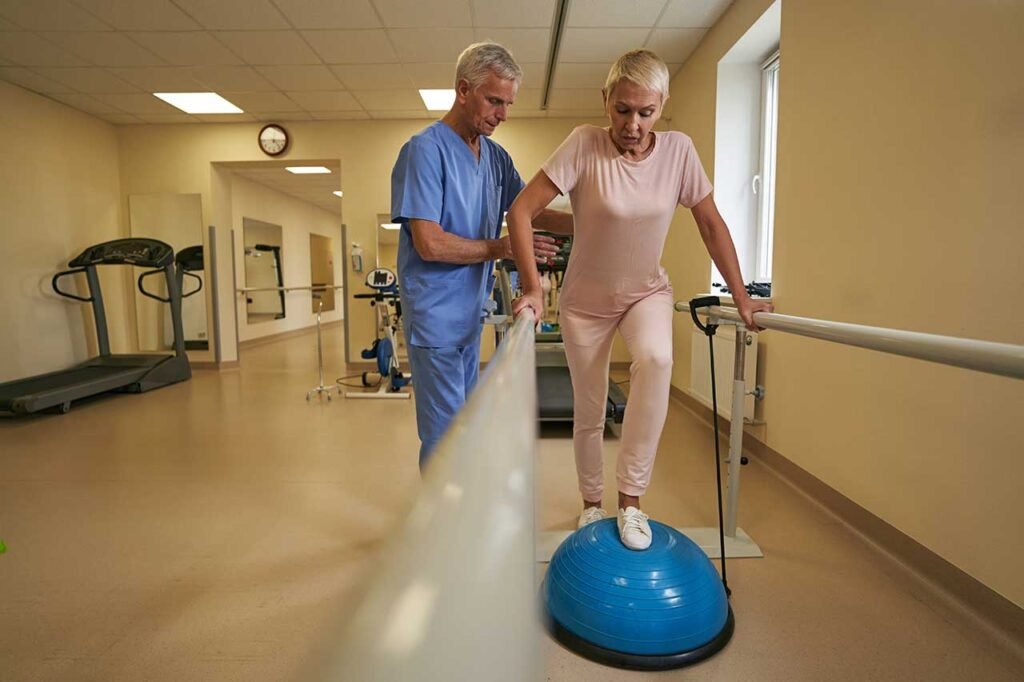
Have you started feeling unsteady when walking, holding onto furniture to move around the house, or worrying about falling when using stairs? Perhaps you have noticed that getting up from a chair feels more difficult than it used to, or you feel less confident walking outdoors. These changes can affect your independence and make everyday activities feel stressful. For older adults and families looking for falls prevention physiotherapy in Modbury North, understanding why falls happen and how to improve balance can be an important step towards safer movement.
Falls are not an inevitable part of ageing. Changes in muscle strength, balance, vision, sensation, medication, and the home environment can all influence the likelihood of falling. The good news is that many risk factors can be identified and addressed. Appropriate strength and balance exercises, safer home arrangements, and professional assessment can help people improve their movement confidence and reduce their risk of falls. At PAX Physiotherapy, falls and balance training focuses on improving stability, coordination, strength, and confidence through an individualised approach to rehabilitation.
Why Do Older Adults Experience Falls?
Maintaining balance involves several systems working together. Your eyes help you understand your surroundings, your inner ear contributes to balance, and sensory information from your muscles and joints helps your brain understand the position of your body.
Your muscles must then respond quickly enough to maintain stability when you turn, step over an obstacle, or change direction. If one or more of these systems becomes less effective, everyday movements may become more challenging.
Several factors can increase the risk of falling:
- Reduced muscle strength: Weakness in the legs and hips can make standing up, climbing stairs, and recovering from a loss of balance more difficult.
- Changes in balance and coordination: Difficulty turning, walking on uneven ground, or changing direction may increase the risk of losing stability.
- Vision or sensation changes: Reduced vision or decreased sensation in the feet can make it harder to recognise obstacles and judge where to place your feet.
- Environmental hazards: Poor lighting, loose rugs, slippery floors, clutter, and uneven pathways can create avoidable risks inside and outside the home.
Other contributing factors can include dizziness, certain medications, previous falls, and some medical conditions.
Falls usually have more than one possible cause. Identifying the combination of factors affecting an individual is therefore more useful than assuming that ageing alone is responsible.
Four Warning Signs That You May Need a Balance Assessment
Recognising changes early can help you seek appropriate support before a fall causes an injury.
1. Feeling Unsteady When Walking
You may find yourself walking more slowly, taking shorter steps, or holding onto walls and furniture for support. Uneven surfaces, crowded spaces, and sudden turns may feel particularly difficult.
Persistent unsteadiness deserves attention, especially if it is new or getting worse.
2. Difficulty Standing Up From a Chair
Using your hands to push yourself up from a chair is not necessarily a problem on its own. However, a noticeable decline in your ability to stand, repeated difficulty rising, or increasing reliance on support may indicate reduced leg strength or another underlying issue.
3. Fear of Falling During Everyday Activities
You may avoid walking outdoors, visiting friends, using stairs, or taking part in activities you previously enjoyed because you are worried about falling.
Although caution is understandable, avoiding movement altogether can contribute to reduced strength and confidence. A suitable rehabilitation plan can help you return to activities gradually and safely.
4. Previous Falls or Near-Falls
A previous fall is an important reason to review your balance and overall falls risk, even if you did not sustain an injury.
Near-falls also matter. If you regularly stumble, grab nearby furniture to prevent yourself from falling, or feel that your legs suddenly become unreliable, consider arranging an assessment.
Important: Sudden dizziness, fainting, new weakness, or a sudden change in walking ability requires prompt medical assessment. Do not assume that these symptoms are simply caused by ageing.
How Does Physiotherapy Help Prevent Falls?
Falls prevention physiotherapy involves more than practising standing on one leg. It begins with understanding why someone feels unsteady and identifying the physical, medical, and environmental factors that may contribute to their risk.
A physiotherapist can assess movement and physical function, identify areas that may benefit from rehabilitation, and recommend an exercise program appropriate to the person’s abilities.
At PAX Physiotherapy, falls and balance training may focus on the following areas.
1. Improving Leg Strength
Strong leg muscles help you stand up, climb stairs, walk, and control your body during changes of direction.
Depending on your assessment, exercises may include supported sit-to-stands, heel raises, or other progressive strengthening activities.
The difficulty should match your current ability and increase gradually as your strength improves.
2. Developing Better Balance and Coordination
Balance training helps you practise controlling your body in different positions and during everyday movements.
Depending on your needs, a supervised program may include weight-shifting activities, controlled stepping, turning practice, and progressively challenging standing exercises.
Exercises should be selected carefully. People with a high risk of falling should not attempt challenging balance exercises alone.
3. Improving Walking Confidence
Walking requires coordination between your legs, hips, trunk, and balance systems. Some people may benefit from practising controlled walking, changes in direction, or stepping over low obstacles in a safe environment.
Your physiotherapist can assess whether walking aids or other support would be appropriate and help you practise using them correctly when needed.
4. Making Everyday Activities Safer
Falls prevention should reflect your daily routine, not just what happens during a clinic appointment.
Your rehabilitation goals might include standing from a chair more confidently, walking to the letterbox, using stairs safely, or improving your ability to move around the kitchen.
A personalised program can help you work towards these goals while addressing your individual limitations.
Four Practical Ways to Reduce Falls Risk at Home
Your home should support safe movement and independence. Small environmental changes can make everyday tasks easier, particularly when combined with appropriate exercise and medical care.
1. Improve Lighting and Clear Walkways
Make sure hallways, stairs, entrances, and frequently used rooms are adequately lit. Consider keeping a light accessible beside your bed so you can see clearly when getting up at night.
Remove clutter, secure electrical cords away from walking routes, and address loose rugs or uneven flooring that could cause tripping.
Keep frequently used items within easy reach to reduce unnecessary climbing or stretching.
2. Wear Supportive, Well-Fitting Footwear
Loose slippers, worn soles, and footwear that does not fit properly can make walking less secure.
Choose footwear that fits comfortably and provides appropriate grip and support. Avoid walking across slippery surfaces in socks.
If you have reduced foot sensation, foot pain, or difficulty choosing suitable footwear, discuss this with your healthcare professional.
3. Make Bathrooms and Stairs Safer
Bathrooms can become slippery when floors are wet. Non-slip surfaces, suitable grab rails, and professionally recommended bathroom modifications may improve safety.
Use secure handrails on stairs and keep steps free from objects. If you find stairs difficult, seek advice about safer movement strategies and whether additional equipment or home modifications may be helpful.
Do not rely on towel rails or unstable furniture to support your body weight.
4. Stay Active With an Appropriate Exercise Program
Avoiding all physical activity can lead to reduced strength and physical capacity, potentially making movement more difficult over time.
Appropriate strength, balance, and mobility exercises can help maintain physical function. Activities should be selected according to your health, abilities, and current falls risk.
If you have previously fallen, experience dizziness, or feel unstable while standing, seek professional guidance before attempting new balance exercises.
What Balance Exercises May Help Older Adults?
Exercise programs for falls prevention commonly include strength, balance, coordination, and functional movement training. The appropriate exercises depend on your physical abilities and any medical conditions.
Examples that a physiotherapist may consider include:
Supported sit-to-stands: Practising standing up from a stable chair and sitting down with control can help develop the strength needed for everyday transfers.
Supported heel raises: Raising and lowering your heels while holding a stable support may help strengthen the calf muscles used during walking.
Controlled weight shifts: Moving your weight gently from one side to the other while maintaining a secure stance can help practise balance control.
Stepping practice: Practising forward, sideways, or backward steps under appropriate supervision can help prepare you for everyday changes in direction.
These are examples, not a universal exercise prescription. They may not be suitable for everyone, particularly people with severe balance difficulties or certain medical conditions.
If you are at risk of falling, have a history of fainting, or cannot stand securely without support, do not practise these exercises alone. A physiotherapist can determine which activities are appropriate and provide the necessary support.
What Happens During a Falls Prevention Physiotherapy Assessment?
If you or a family member is experiencing balance difficulties, knowing what to expect can make it easier to arrange an appointment.
Step 1: Discussing Your Medical and Falls History
Your physiotherapist may ask whether you have fallen recently, when you tend to feel unsteady, and whether you experience dizziness, pain, weakness, or difficulty with particular activities.
Your medical history, medications, vision concerns, and previous injuries may also be relevant. Some findings may indicate that medical review or additional assessment is needed.
Step 2: Assessing Strength, Balance, and Mobility
Depending on your presentation, the assessment may include checking leg strength, standing balance, walking ability, coordination, and functional movements such as getting up from a chair.
The aim is to identify areas that may benefit from rehabilitation while recognising any limitations that require additional care.
Step 3: Creating an Individualised Exercise Plan
Your physiotherapist can use the assessment findings to develop a program that matches your ability and goals.
This may include progressive strength exercises, balance activities, walking practice, and strategies for performing everyday movements more confidently.
The program should be challenging enough to support improvement without exposing you to unnecessary risk.
Step 4: Monitoring Progress and Adjusting the Program
As your abilities change, your exercises may need to become more challenging or be modified to remain appropriate.
Regular reviews can help assess improvements in strength, balance, and functional movement. Your physiotherapist can also discuss any continuing concerns and whether other healthcare professionals should be involved.
When Should You Seek Medical Advice After a Fall?
Not every fall causes a serious injury, but every fall can provide useful information about your health and mobility.
Arrange a medical review after a fall, even if you feel relatively well, particularly if the cause is unclear or you have fallen more than once.
Seek urgent medical assessment if you experience severe pain, a suspected fracture, significant bleeding, or an inability to stand or bear weight following a fall.
A head injury requires particular attention, especially if you lose consciousness, develop confusion, experience vomiting, or have a severe or worsening headache. Seek emergency care for serious symptoms.
Call triple zero (000) in Australia if the situation is an emergency.
If you experience repeated dizziness, fainting, new weakness, or sudden changes in balance, obtain prompt medical assessment rather than relying on balance exercises alone.
A doctor may review medical conditions and medications that could contribute to falls. Depending on your needs, you may also benefit from input from a physiotherapist, occupational therapist, optometrist, or other healthcare professional.
Long-Term Benefits of Falls Prevention Physiotherapy
The purpose of falls prevention is not simply to improve a balance test. It is to help people move more safely and maintain the independence that matters to them.
An appropriately designed program may help you work towards:
- Greater leg strength for standing, walking, and climbing stairs.
- Improved balance and control during everyday movements.
- Increased confidence when moving around the home and community.
- Better awareness of environmental hazards and safer movement strategies.
- Improved ability to participate in personally meaningful activities.
- A more informed approach to managing falls risk with support from healthcare professionals.
Results vary depending on individual health, the causes of balance difficulties, exercise consistency, and other factors. Physiotherapy cannot eliminate every fall risk, but an individualised approach can help address modifiable factors and support safer mobility.
Why Choose PAX Physiotherapy in Modbury North?
PAX Physiotherapy provides physiotherapy services focused on personalised care, movement rehabilitation, and improving physical function.
The clinic offers Falls & Balance Training for people experiencing balance or stability difficulties, including older adults and individuals recovering from injury.
Treatment can be tailored to your current abilities and goals, with an emphasis on identifying movement challenges and developing an appropriate rehabilitation plan.
Located on Montague Road in Modbury North, PAX Physiotherapy serves people in the surrounding northeastern Adelaide communities.
Whether you have noticed changes in your walking confidence, experienced a fall, or want professional guidance on improving your balance, an assessment can help you understand the next steps.
Frequently Asked Questions About Falls Prevention Physiotherapy
Can physiotherapy help reduce the risk of falling?
Physiotherapy can help address some modifiable falls risk factors through individualised strength, balance, coordination, and functional exercise programs. The appropriate approach depends on the person’s health and circumstances. No program can guarantee that falls will be prevented.
What causes poor balance in older adults?
Poor balance may be associated with muscle weakness, changes in vision or sensation, inner-ear conditions, medication side effects, pain, neurological conditions, or environmental hazards. An assessment can help identify possible contributing factors.
Are balance exercises safe for seniors?
Balance exercises can be beneficial when selected for the person’s ability and performed in a suitable environment. People with a high risk of falling should receive professional guidance and appropriate supervision before attempting challenging exercises.
How often should older adults practise balance exercises?
The appropriate frequency depends on the person’s health, ability, and exercise program. Australian physical activity guidance recommends regular activities that develop strength, mobility, balance, and coordination. A physiotherapist can help determine a suitable routine for individual needs.
Should I see a physiotherapist after a fall?
A physiotherapy assessment may help identify strength, balance, or mobility difficulties that contributed to a fall. However, a medical review is also important, even when there is no obvious injury, particularly if the fall was unexplained or recurrent.
Where can I get falls prevention physiotherapy in Modbury North?
PAX Physiotherapy offers Falls & Balance Training at Unit 2/438 Montague Road, Modbury North SA 5092. Contact the clinic to discuss your concerns and determine whether an appointment is appropriate.
Book Your Falls Prevention Physiotherapy Appointment in Modbury North
Feeling unsteady should not mean giving up the activities that make everyday life enjoyable. Understanding your falls risk, improving strength, practising appropriate balance exercises, and addressing hazards can help you work towards safer and more confident movement.
If you or a family member is experiencing balance difficulties, repeated stumbling, or concerns about falling, PAX Physiotherapy can help you explore suitable rehabilitation options.
Contact the clinic to discuss an assessment and learn more about its Falls & Balance Training service.
PAX Physiotherapy
Address: Unit 2/438 Montague Road, Modbury North SA 5092
Phone: 08 8333 8333
Mobile: 0499 999 636
