

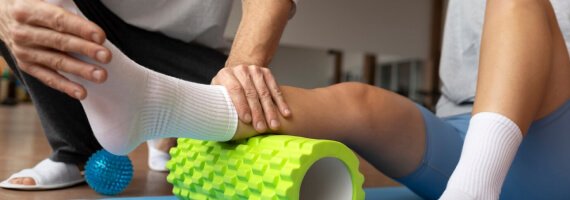
Do you experience aching or tenderness along your shin after running, walking long distances or exercising? Shin splints are a common cause of exercise-related lower-leg pain, particularly among runners and people who have recently increased their physical activity.
The discomfort may begin during exercise, become more noticeable afterwards or gradually worsen as your training continues. For some people, the pain settles with rest but returns when they start running again.
Shin splints are often associated with repeated stress on the tissues around the shinbone. Sudden increases in running distance, training intensity or exercise frequency may contribute to the problem. However, not every case of shin pain is caused by shin splints, and other conditions, including bone stress injuries, can produce similar symptoms.
Understanding your symptoms, adjusting your exercise routine and returning to activity gradually can help you manage shin pain more safely. In this article, we explore seven practical tips and explain how physiotherapy may support your recovery.
What Are Shin Splints?
Shin splints is a common term used to describe pain along the shinbone, particularly its inner edge. The medical term medial tibial stress syndrome is often used for a specific pattern of exercise-related pain in this area.
The shinbone, or tibia, is the large bone in the lower leg between the knee and ankle. Repeated loading during running, jumping and other weight-bearing activities places stress on the bone and surrounding tissues.
When the amount of activity increases faster than your body can adapt, symptoms may develop.
Shin splints are common in people who run regularly, participate in jumping sports or begin a new exercise programme. They can also affect people returning to physical activity after a period of reduced exercise.
Common Symptoms of Shin Splints
Symptoms vary between individuals but may include:
Aching pain along the inner edge of the shinbone.
Tenderness when touching the affected area.
Pain during or after running.
Discomfort when jumping or performing other high-impact activities.
Mild swelling around the painful area.
Symptoms that improve with rest but return when exercise resumes.
Initially, you may notice discomfort only after exercising. If the aggravating activity continues, symptoms can become more persistent.
Pain concentrated in one small area, severe pain or discomfort that continues at rest may indicate a different problem, such as a bone stress injury. These symptoms should be assessed by a healthcare professional.
What Causes Shin Splints?
Shin splints commonly develop when the lower legs experience more repetitive loading than they can comfortably tolerate.
Several factors may contribute, including:
Increasing running distance or speed too quickly.
Starting a new exercise programme after a period of inactivity.
Repeated running or jumping on hard surfaces.
Increasing the frequency of training sessions without adequate recovery.
Returning to exercise before previous symptoms have settled.
Changes in footwear or training routines.
These factors do not affect everyone in the same way. Shin pain may develop through a combination of training, physical and individual factors rather than one specific cause.
Identifying what changed before your symptoms began can help guide appropriate activity adjustments and rehabilitation.
7 Helpful Tips to Manage Shin Splints
The most appropriate approach depends on the severity and cause of your shin pain. The following strategies may help manage typical exercise-related symptoms, but they should not be used to self-diagnose a potentially serious injury.
1. Reduce Activities That Trigger Shin Pain
If running or jumping causes shin pain, temporarily reduce or stop the aggravating activity.
Continuing to train through increasing pain can place additional stress on the affected tissues and may worsen an underlying injury.
Consider these adjustments:
Reduce your running distance or temporarily pause running.
Avoid sprinting and repeated jumping while symptoms are active.
Reduce activities that cause pain during or after exercise.
Choose comfortable daily activities that do not aggravate your symptoms.
Seek assessment if pain persists despite reducing your training load.
You do not necessarily need to stop every form of physical activity. The aim is to reduce painful loading while maintaining comfortable movement where appropriate.
If walking becomes painful or you experience significant discomfort during ordinary daily activities, arrange a medical assessment.
2. Apply a Cold Pack for Temporary Comfort
A cold pack may help ease discomfort after activity.
If you choose to use one, wrap it in a towel and apply it to the affected area for approximately 15–20 minutes. Never place ice directly against your skin.
Cold therapy may provide temporary symptom relief, but it does not establish the cause of your shin pain or replace appropriate rehabilitation.
If your symptoms are severe, worsen despite rest or involve a small, sharply painful area of the shinbone, seek medical assessment rather than relying on cold packs alone.
3. Review Your Training Routine
A sudden increase in exercise load is a common factor associated with shin pain.
For example, you may develop symptoms after increasing your weekly running distance, adding hill sprints or starting to run every day instead of several times a week.
Review your recent training routine and consider whether the amount or intensity of activity increased too quickly.
You may benefit from:
Temporarily reducing training volume.
Avoiding sudden increases in running speed.
Allowing adequate recovery between demanding sessions.
Reintroducing higher-impact activity gradually.
Recording how your symptoms respond to changes in training.
There is no single training schedule that suits everyone. Your return to exercise should reflect your symptoms, fitness level and the likely cause of the pain.
If symptoms repeatedly return whenever you resume running, a professional assessment can help identify contributing factors.
4. Consider Low-Impact Exercise While Recovering
Depending on the cause and severity of your symptoms, you may be able to maintain some physical activity without repeatedly aggravating your shins.
Low-impact options may include swimming, gentle cycling or other activities that do not reproduce your pain.
Before choosing an alternative, consider how your lower legs respond during the activity and afterward. Even an activity that is usually low impact may be unsuitable if it increases your symptoms.
Avoid using alternative exercise as a way to push through severe pain. If ordinary movement is uncomfortable, seek advice about which activities are appropriate.
Maintaining comfortable activity where possible can help you stay active while temporarily reducing the loading associated with running and jumping.
5. Check Your Running Shoes and Training Surface
Footwear and training surfaces are worth reviewing when shin pain develops.
Shoes that are worn out, uncomfortable or unsuitable for your activity may affect how you tolerate exercise. Repeated running on hard or uneven surfaces may also contribute to the overall loading on your lower legs.
Consider the following:
Use comfortable footwear appropriate for your activity.
Replace shoes when they become excessively worn.
Avoid suddenly changing your footwear and training routine at the same time.
Choose a familiar, even running surface when returning to exercise.
Consider professional advice if footwear or foot mechanics may be contributing to recurring symptoms.
There is no universally ideal running shoe for everyone with shin pain. Footwear changes should be considered alongside training load, strength and other relevant factors.
If shin pain continues to recur, a physiotherapist or another appropriate healthcare professional may help assess your movement and discuss suitable options.
6. Build Strength Gradually
Lower-leg muscles help control movement and absorb forces during walking, running and jumping. Depending on your assessment, strengthening exercises may form part of your rehabilitation.
A suitable programme may include exercises targeting the calf muscles, lower-leg muscles and other areas relevant to your movement and activity demands.
However, the right exercises and starting intensity depend on the cause of your symptoms. Some exercises may be inappropriate if you have a bone stress injury or another condition requiring specific treatment.
Avoid beginning an intense strengthening programme while experiencing significant pain.
A physiotherapist can help select appropriate exercises, adjust the workload and progress the programme as your symptoms and function improve.
7. Return to Running Gradually
One of the most important parts of managing shin splints is avoiding a sudden return to your previous training level.
Even if your pain has improved, your lower legs may need time to tolerate repeated running and jumping again.
When it is appropriate to resume running, consider these principles:
Start with a manageable level of activity.
Increase running duration gradually.
Avoid increasing distance, speed and frequency simultaneously.
Monitor symptoms during exercise and over the following day.
Reduce the workload if pain returns.
Seek professional advice if you are uncertain about your readiness.
Do not use a fixed recovery timeline as the only measure of readiness. The appropriate progression depends on the diagnosis, severity of symptoms and your response to activity.
If you experience sharp, localised shin pain or pain during ordinary walking, stop impact exercise and seek medical assessment before returning to running.
How Can Physiotherapy Help With Shin Splints?
Physiotherapy may help people with shin pain by assessing contributing factors, guiding rehabilitation and planning a safe return to exercise.
However, the term shin splints can describe different patterns of lower-leg pain. An assessment is important to distinguish typical exercise-related symptoms from other conditions that may require medical investigation.
Individual Assessment
A physiotherapist can discuss when your symptoms started, how your training has changed and which activities increase your pain.
Depending on your presentation, an assessment may consider:
The location and pattern of your shin pain.
Your recent exercise and training history.
Walking and running tolerance.
Lower-leg strength and movement.
Footwear and training surfaces.
Previous lower-leg injuries.
If your symptoms suggest a bone stress injury or another condition requiring further investigation, your healthcare professional may recommend medical assessment or imaging.
Personalised Rehabilitation
Once the likely cause of your symptoms has been established, a rehabilitation programme may help you return to activity.
Depending on your needs, this may involve:
Adjusting exercise intensity and frequency.
Gradually rebuilding lower-leg strength.
Improving tolerance for relevant movements.
Reviewing training habits.
Planning a progressive return to running.
Exercises should be selected according to your condition and current ability. A programme suitable for typical shin splints may not be appropriate for a stress fracture or another significant injury.
Advice on Preventing Recurring Symptoms
Repeated episodes of shin pain can interfere with training and make it difficult to maintain a consistent exercise routine.
A physiotherapist may help you review training progression, recovery periods, strength and other factors that could be contributing to recurring symptoms.
The goal is to help you understand your symptoms and develop a manageable plan for returning to your activities.
You can learn more about PAX Physiotherapy’s exercise rehabilitation services and broader physiotherapy services.
How Long Do Shin Splints Take to Improve?
Recovery varies according to the cause and severity of the pain, how long symptoms have been present and how the lower legs respond to changes in activity.
Some people improve over several weeks after reducing aggravating exercise and following an appropriate return-to-activity plan. Others may need a longer period of rehabilitation or further investigation.
If the pain is actually caused by a bone stress injury, recovery and activity restrictions may be different from those for typical shin splints.
Avoid returning to full training simply because the pain has temporarily disappeared. Build activity gradually and monitor your response.
If your symptoms are not improving, continue to return when you exercise or become more severe, consult a healthcare professional.
When Should You Seek Medical Advice?
Shin pain should not automatically be assumed to be shin splints.
Arrange an assessment if your pain persists despite reducing exercise, repeatedly returns when you resume running or begins to affect ordinary walking.
Seek prompt medical advice if you experience:
Severe or rapidly worsening pain.
Sharp, localised pain in one small area of the shin.
Significant swelling.
Pain that persists at rest or at night.
Numbness, tingling or unusual weakness.
Difficulty bearing weight on the affected leg.
Sudden severe lower-leg pain accompanied by a feeling of tightness, numbness or weakness requires urgent medical assessment.
These symptoms may indicate a condition that needs treatment different from the usual management of shin splints.
Frequently Asked Questions
1. What are the first signs of shin splints?
Early symptoms commonly include aching or tenderness along the shinbone during or after exercise. The discomfort may initially improve with rest but return when you resume running or jumping. Persistent or worsening pain should be assessed.
2. Can I continue running with shin splints?
If running increases your pain, reduce or pause it rather than continuing through worsening symptoms. Consider alternative activities only if they are comfortable and appropriate for your condition. Seek professional advice if pain persists or returns repeatedly.
3. Are shin splints the same as a stress fracture?
No. Shin splints and bone stress injuries are different conditions, although their symptoms can overlap. A stress fracture may cause more localised pain and requires a different management approach. A healthcare professional can assess whether further investigation is necessary.
4. Can physiotherapy help with shin splints?
Physiotherapy may help by assessing your symptoms, reviewing training habits, guiding appropriate strengthening and planning a gradual return to running. The treatment approach depends on the cause of your shin pain.
5. Are special running shoes necessary for shin splints?
Not everyone with shin splints needs special shoes or orthotics. Comfortable, suitable footwear may be helpful, but shoe changes alone may not resolve the problem. Consider your training load, symptoms and individual needs when reviewing footwear.
6. How can I prevent shin splints from returning?
Gradually increase exercise intensity and distance, allow sufficient recovery between demanding sessions and avoid sudden changes in training. Appropriate strength work and suitable footwear may also help. If symptoms repeatedly return, seek professional assessment.
7. When can I return to exercise after shin splints?
The timing depends on the cause and severity of the symptoms. Return gradually when appropriate and avoid activities that reproduce pain. If a bone stress injury is suspected or diagnosed, follow the specific advice of your healthcare professional before resuming impact exercise.
Take the Next Step Towards Comfortable Movement
Shin splints can interrupt running, exercise and everyday activities. Recognising symptoms early, modifying aggravating activities and returning to training gradually may help you manage the problem.
However, shin pain can have several causes, and persistent or localised pain should not be ignored. An appropriate assessment can help identify the likely source of your symptoms and guide your next steps.
If lower-leg pain is affecting your activity, contact PAX Physiotherapy to enquire about assessment and whether physiotherapy may be appropriate for your situation.
PAX Physiotherapy
Address: Unit 2, 438 Montague Road, Modbury North SA 5092
Phone: 08 8333 8333
Mobile: 0499 999 636
Email: admin@paxphysiotherapy.com.au
Visit the PAX Physiotherapy Services page to learn more, or use the Contact page to enquire about an appointment.
Disclaimer: This article provides general educational information and does not replace individual medical assessment, diagnosis or treatment. Shin pain can have several causes. Consult a qualified healthcare professional for advice about your symptoms.
