

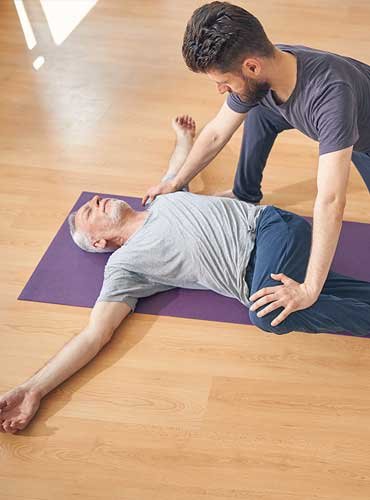
A calf strain can make everyday activities such as walking, climbing stairs, running, or standing for long periods uncomfortable. The pain may appear suddenly during exercise or develop after activities that place excessive stress on the muscles at the back of your lower leg.
Whether you enjoy running, playing sports, walking, or staying active throughout the day, a calf injury can interrupt your routine. Understanding the symptoms, managing your activity levels, and gradually rebuilding muscle strength can help you work towards a safe recovery.
What Is a Calf Strain?
A calf strain occurs when muscle fibres in the calf become overstretched or torn. The calf contains two major muscles: the gastrocnemius and the soleus. These muscles help you point your foot downwards, push off the ground, walk, run, and jump.
A calf strain may occur when you suddenly accelerate, change direction, jump, or push off forcefully during exercise. It can also happen when the muscles are exposed to more physical demand than they can tolerate.
The severity varies. A mild strain may cause discomfort and tightness, while a more significant injury can produce swelling, bruising, weakness, and difficulty walking.
Common Symptoms of a Calf Strain
The symptoms depend on the severity of the injury and the muscles affected.
Common signs include:
Sudden calf pain: You may feel a sharp or pulling sensation at the back of your lower leg.
Muscle tenderness: The affected area may feel sore when touched or used.
Swelling or bruising: These symptoms may develop after the injury, particularly with more significant strains.
Difficulty walking: Pushing off with your toes or placing weight on the affected leg may be uncomfortable.
Reduced strength: Standing on your toes or performing activities that require force through the calf may become difficult.
Not every case of calf pain is caused by a muscle strain. Other conditions can produce similar symptoms, so it is important to consider the circumstances in which the pain started.
What Causes a Calf Strain?
Calf strains often occur during activities involving sudden acceleration, powerful movements, or rapid changes in direction.
Possible contributing factors include:
Sprinting or running at high intensity.
Jumping and landing during sports.
Suddenly increasing exercise duration or intensity.
Returning to exercise after a break.
Repeatedly performing activities that fatigue the calf muscles.
A strain can also occur during ordinary activities. The risk depends on several factors, including the physical demands placed on the muscles and their ability to tolerate those demands.
7 Helpful Tips for Managing a Calf Strain
1. Reduce Activities That Aggravate the Injury
If you experience a calf strain, temporarily stop activities that cause sharp pain or make walking difficult.
Running, jumping, sprinting, and intense sports may place excessive stress on the injured muscle during the early stages of recovery.
However, complete inactivity is not always necessary. Gentle movement within your comfort level may help you maintain mobility. Avoid forcing movements or continuing activities that significantly worsen your symptoms.
If you cannot walk comfortably or put weight on the affected leg, seek medical assessment.
2. Apply a Cold Pack if It Helps Relieve Pain
A cold pack may provide short-term relief after a muscle injury, particularly when the area is painful or swollen.
Wrap the cold pack in a towel and apply it for approximately 10–20 minutes. Never apply ice directly to your skin, and stop if the area becomes excessively uncomfortable or your skin changes colour.
Use extra caution if you have reduced skin sensation or circulation problems.
Cold therapy is optional and mainly intended to help manage symptoms. It does not replace appropriate assessment and rehabilitation.
3. Elevate Your Leg When Resting
If your calf is swollen, supporting your leg on pillows while resting may help reduce discomfort and swelling.
Choose a comfortable position that supports your lower leg without placing pressure directly on the painful area.
Elevation can be a useful short-term measure, but persistent or unexplained calf swelling requires medical assessment rather than relying on home treatment alone.
4. Keep Your Ankle Moving Gently
After a calf strain, gentle ankle movements may help maintain mobility and reduce stiffness.
When comfortable, try slowly moving your foot upwards towards your shin and then pointing it downwards. Keep the movement controlled and within a comfortable range.
Do not force your ankle into a strong stretch, particularly if the injury is recent or the movement causes sharp pain.
If you have a significant injury, difficulty bearing weight, or worsening symptoms, seek professional advice before beginning exercises.
5. Return to Walking Gradually
Walking places demand on the calf muscles, so it is important to increase your activity according to your symptoms and functional ability.
Start with short distances that you can manage comfortably. Increase the duration gradually as your walking becomes easier.
Avoid limping through significant pain or pushing through an activity that makes the symptoms worse afterwards.
If you are struggling to walk normally, a healthcare professional can assess whether you need temporary support and help determine an appropriate progression.
6. Rebuild Calf Strength Progressively
Once the initial pain has settled and your movement improves, progressive strengthening may help restore calf muscle capacity.
Depending on the injury, rehabilitation may begin with gentle ankle movements and progress to controlled calf raises and more demanding exercises.
The timing and intensity should depend on the severity of the strain and your response to activity. A significant tear may require a more cautious rehabilitation programme than a mild strain.
Avoid returning immediately to heavy calf exercises, sprinting, or jumping simply because the pain has reduced. Strength and functional ability also need to recover.
7. Seek Physiotherapy Guidance for Rehabilitation
If your calf strain affects your walking, work, exercise, or sporting activities, physiotherapy may help guide your recovery.
A physiotherapist can assess your symptoms, walking pattern, ankle movement, calf strength, and ability to perform relevant activities.
Depending on the findings, your rehabilitation programme may include:
Gentle mobility exercises.
Gradual calf strengthening.
Balance and movement training.
Progressive walking or running activities.
Guidance on returning to sport or exercise.
You can explore the services available through PAX Physiotherapy.
How Can Physiotherapy Help With a Calf Strain?
Physiotherapy may help you understand your injury, manage activity levels, and work towards restoring the strength and function needed for everyday movement.
Your rehabilitation plan may include several stages, depending on the severity of the injury and your goals.
Initial assessment: Your physiotherapist reviews your symptoms, how the injury occurred, and any difficulties with walking or ankle movement.
Mobility and activity guidance: You receive advice about comfortable movement and how to adjust activities while symptoms settle.
Progressive strengthening: Suitable exercises are introduced and gradually increased as your muscle function improves.
Return-to-sport preparation: If you participate in sports, rehabilitation may eventually include faster walking, running, jumping, and changes of direction when appropriate.
Not every calf injury follows the same recovery pathway. A personalised assessment helps determine the most suitable approach.
Learn more about exercise rehabilitation at PAX Physiotherapy.
How Long Does a Calf Strain Take to Recover?
Recovery time depends on the severity of the muscle injury, your general health, and the physical demands of your daily activities.
A mild strain may improve over several weeks, while a more significant injury can take several weeks to a few months or longer to recover fully.
Pain reduction does not necessarily mean the muscle has regained its previous strength or ability to tolerate sudden movements.
Returning to running or sport too early may aggravate the injury. A gradual return based on walking ability, strength, movement, and sport-specific demands can help you resume activities more safely.
If your symptoms are not improving or are getting worse, seek professional assessment.
When Should You Seek Medical Attention?
Although calf strains are common, not all calf pain is caused by a muscle injury.
Seek prompt medical assessment if you experience severe pain, substantial swelling or bruising, difficulty bearing weight, or symptoms following a significant injury.
Pay particular attention to calf pain accompanied by swelling, warmth, or redness when there has been no clear injury. These symptoms may indicate a blood clot, known as deep vein thrombosis (DVT), which requires urgent medical assessment.
If calf symptoms occur alongside sudden shortness of breath, chest pain, faintness, or coughing up blood, seek emergency medical care immediately.
Do not massage a calf with unexplained swelling, warmth, or pain until a serious cause has been assessed.
Frequently Asked Questions
1. What does a calf strain feel like?
A calf strain may cause sudden pain, tightness, or a pulling sensation at the back of the lower leg. Some people also develop swelling, bruising, tenderness, or difficulty pushing off the foot while walking.
2. Should I walk with a calf strain?
Walking may be appropriate if you can do so comfortably and safely. Reduce your distance and pace if needed, and avoid forcing yourself to walk through significant pain. If you cannot bear weight or walk normally, seek medical assessment.
3. Can I exercise with a calf strain?
You should temporarily avoid activities that aggravate the injury, particularly sprinting, jumping, and intense running. Gentle movement and progressive exercises may be introduced when appropriate, depending on the severity of the strain.
4. Is heat or ice better for a calf strain?
A cold pack may help with short-term pain relief, especially soon after an injury. Neither heat nor ice is essential for every case. Avoid applying extreme temperatures directly to your skin, and seek advice if you are uncertain about managing your symptoms.
5. Can physiotherapy help a calf strain?
Physiotherapy may help restore calf strength, ankle movement, walking ability, and readiness for exercise. A rehabilitation programme can be adjusted to your symptoms, injury severity, and activity goals.
6. When can I return to running after a calf strain?
The timing depends on the severity of the injury and your recovery. Before returning to running, you should be able to walk comfortably and demonstrate adequate calf strength and movement. Faster running, jumping, and changes of direction should be reintroduced gradually when appropriate.
7. How can I reduce the risk of another calf strain?
Gradually increase training intensity, maintain calf strength, allow adequate recovery between demanding sessions, and prepare appropriately before intense exercise. Avoid making sudden increases in running speed, distance, or jumping volume.
Get Support for Calf Pain at PAX Physiotherapy
A calf strain can affect your confidence when walking, exercising, or returning to sports. Taking an appropriate approach to activity modification and rehabilitation can help you work towards restoring normal movement and strength.
If calf pain is affecting your daily activities or your return to exercise, consider arranging an assessment to discuss your symptoms and rehabilitation options.
Visit PAX Physiotherapy’s contact page to learn more about the clinic and how to arrange an appointment.
Disclaimer: This article provides general educational information and is not a substitute for an individual medical assessment, diagnosis, or treatment plan. Calf pain can sometimes indicate a serious medical condition. Seek appropriate medical care for concerning symptoms.
