

Pain around the lower back, buttocks or pelvis can make everyday activities such as walking, bending, standing and getting out of a chair uncomfortable. Sometimes, this discomfort may be associated with the sacroiliac joints, which connect the base of the spine to the pelvis. Sacroiliac joint pain can affect people in different ways, and identifying the underlying cause is an important step towards choosing suitable treatment.
The sacroiliac joints help transfer forces between the upper body and the legs during everyday movement. Although these joints move relatively little, the surrounding muscles, ligaments and other structures contribute to pelvic stability. Pain in this region does not always originate from the sacroiliac joints, as lower back conditions, hip problems and other causes can produce similar symptoms.
Understanding your symptoms and learning how to manage activities that aggravate them may help you move more comfortably. Physiotherapy may be useful when an assessment identifies movement, strength or functional difficulties that can be addressed through an individualised rehabilitation plan.
What Is Sacroiliac Joint Pain?
The sacroiliac joints are located on either side of the sacrum, the triangular bone at the base of the spine. Each joint connects the sacrum to one side of the pelvis.
These joints help transfer loads between the trunk and legs. The surrounding ligaments and muscles contribute to stability during activities such as walking, standing and changing positions.
Sacroiliac joint pain refers to discomfort thought to arise from one or both of these joints or their surrounding structures. However, pain in this area does not automatically mean that the joints themselves are responsible.
Possible contributing factors include:
Previous injury or trauma affecting the pelvis or lower back.
Pregnancy-related changes that affect the pelvic region.
Inflammatory joint conditions.
Increased physical demands or changes in activity levels.
Problems involving nearby structures, including the lumbar spine or hip.
A healthcare professional can assess your symptoms and consider other possible causes before recommending treatment.
Common Symptoms of Sacroiliac Joint Pain
Symptoms can vary depending on the underlying cause. Some people experience discomfort on one side of the lower back, while others notice pain around the buttock or pelvic region.
Common symptoms may include:
Pain near the dimples at the back of the pelvis.
Discomfort in one buttock or around the lower back.
Pain that increases when climbing stairs or standing on one leg.
Discomfort when getting out of a car or rising from a chair.
Stiffness or difficulty changing positions after prolonged sitting.
Pain during activities that place additional demands on the pelvis.
Some people may experience symptoms that extend into the thigh. Pain extending below the knee, tingling, numbness or weakness may suggest another condition or nerve involvement and should be assessed appropriately.
Because several conditions can produce similar symptoms, a physical examination is important before concluding that the sacroiliac joint is the source of pain.
7 Helpful Tips for Managing Sacroiliac Joint Pain
1. Keep Moving Within Your Comfort Level
When lower back or pelvic pain develops, avoiding movement completely may seem like the safest option. However, prolonged inactivity can reduce strength, endurance and confidence with everyday tasks.
Try to maintain gentle activities that do not significantly aggravate your symptoms. Short walks, comfortable position changes and light daily tasks may help you remain active.
You do not need to push through severe pain. If an activity repeatedly causes significant discomfort or your symptoms worsen afterwards, reduce the intensity and seek professional advice.
The goal is to maintain an appropriate level of movement while allowing your symptoms to settle.
2. Break Up Long Periods of Sitting
Prolonged sitting can aggravate discomfort for some people with lower back or pelvic pain. This may be particularly noticeable during desk work, long journeys or activities that keep you in one position.
Consider these practical adjustments:
Stand up and move around regularly.
Change your sitting position when it becomes uncomfortable.
Use a chair that feels supportive.
Take short movement breaks during computer work.
Avoid remaining in one position for long periods if it aggravates your symptoms.
There is no single perfect sitting posture for everyone. Finding comfortable positions and changing them regularly may be more helpful than trying to maintain a rigid posture throughout the day.
3. Adjust Activities That Increase Your Pain
Certain activities may temporarily increase the demands placed on your lower back and pelvis. These might include carrying heavy objects, climbing repeated flights of stairs, prolonged standing or performing unfamiliar exercise.
Rather than stopping all activity, consider modifying the task.
For example, you could divide household chores into shorter sessions, reduce the weight of items you carry or take breaks during activities that require prolonged standing.
When lifting objects, keep them close to your body and avoid sudden twisting movements where possible.
As your symptoms improve, you can gradually work towards your usual activity level. If pain remains persistent or progressively worsens, arrange an assessment to help identify the cause.
4. Choose Comfortable Sleeping Positions
Pain around the lower back and pelvis can sometimes make it difficult to find a comfortable sleeping position.
You may find it helpful to try sleeping on your side with a pillow between your knees or on your back with a pillow supporting your knees. These positions are not necessary for everyone, so choose the option that feels most comfortable.
If turning over in bed causes discomfort, try moving slowly and adjusting your position without forcing a painful movement.
There is no universally ideal sleeping position for sacroiliac joint pain. If symptoms regularly interrupt your sleep or become increasingly severe, discuss them with a healthcare professional.
5. Follow an Appropriate Exercise Programme
Exercise may be an important part of managing persistent lower back and pelvic discomfort. However, the most appropriate exercises depend on your symptoms, physical abilities and the underlying cause of the pain.
A physiotherapist may recommend exercises that focus on:
Improving hip and trunk muscle strength.
Maintaining comfortable lower back and hip movement.
Building endurance for walking and standing.
Improving control during everyday activities.
Gradually increasing tolerance for physical activity.
Not every person needs the same exercises. Avoid assuming that your pelvic muscles are weak or that your sacroiliac joint is out of alignment without an appropriate assessment.
If an exercise causes sharp pain, new tingling, numbness or worsening symptoms, stop and seek advice about modifying your programme.
6. Increase Your Activity Gradually
Returning to normal activities too quickly after a period of pain may make it harder to manage your symptoms. On the other hand, avoiding all physical activity for an extended period can contribute to reduced fitness and strength.
A gradual approach can help you find a manageable balance.
For example, if a long walk aggravates your discomfort, try a shorter walk and increase the distance as your tolerance improves. If prolonged standing is difficult, alternate standing tasks with periods of comfortable movement or rest.
Pay attention to how your body responds during an activity and afterwards. A rehabilitation programme should be adjusted according to your symptoms, recovery and personal goals.
7. Seek Professional Assessment for Persistent Pain
If pain around your lower back or pelvis continues, interferes with daily activities or repeatedly returns, a professional assessment can help clarify what may be causing it.
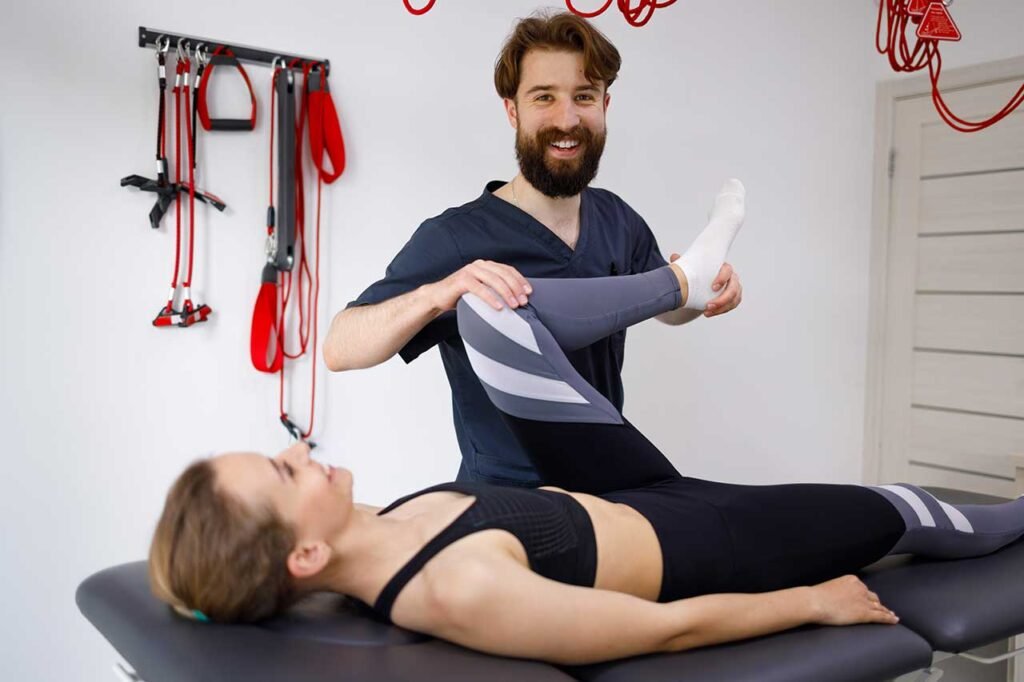
A physiotherapist may ask about your symptoms, medical history, previous injuries and the activities that aggravate your discomfort. Depending on your presentation, the assessment may include examining lower back and hip movement, strength, walking and relevant functional tasks.
Several clinical tests may be used together when considering whether the sacroiliac joint could be contributing to your symptoms. No single finding should automatically be treated as proof of the diagnosis.
Based on the assessment, your physiotherapist can discuss appropriate management options and recommend medical review if your symptoms suggest that further investigation is needed.
You can learn more about available care through the PAX Physiotherapy Services page.
How Can Physiotherapy Help With Sacroiliac Joint Pain?
Physiotherapy may help people experiencing lower back or pelvic discomfort when their assessment identifies problems with movement, strength, activity tolerance or functional performance.
Treatment should focus on your individual presentation rather than assuming that every case of sacroiliac joint pain has the same cause.
Depending on your needs, physiotherapy may include the following approaches.
Individual Assessment
Your physiotherapist may review where you feel pain, when it began, which activities aggravate it and how it affects your daily life.
They may also assess your lower back, hips, walking pattern and relevant movements to help identify possible contributing factors.
Personalised Exercise and Rehabilitation
An exercise programme may include suitable strengthening, mobility and functional exercises. The programme can be adjusted as your tolerance and abilities change.
The aim is to help you improve your capacity for everyday activities rather than relying only on short-term symptom relief.
Activity Modification and Education
Understanding how to adjust daily activities can help you manage discomfort while maintaining movement.
Your physiotherapist may discuss comfortable working positions, lifting techniques, pacing strategies and ways to gradually return to activities that matter to you.
Progress Monitoring
Your symptoms and physical abilities may change during recovery. Reviewing your progress allows your treatment plan to be adjusted when necessary.
Physiotherapy cannot guarantee that pain will disappear or that every case can be managed without medical treatment. If your symptoms suggest another condition, additional assessment may be recommended.
For more information, visit the PAX Physiotherapy Exercise Rehabilitation page.
How Long Does Sacroiliac Joint Pain Take to Improve?
Recovery time depends on the underlying cause, symptom severity, general health and the activities affected by your pain.
Some episodes of lower back or pelvic discomfort improve over days or weeks, while persistent symptoms may require a more detailed assessment and longer-term management.
It is important to remember that pain around the sacroiliac joint does not always originate from the joint itself. The recovery process and appropriate treatment will depend on the actual cause.
If your symptoms are not improving, repeatedly return or interfere with your ability to walk, work or sleep, consider arranging a professional assessment.
When Should You Seek Medical Attention?
Most lower back and pelvic pain does not indicate a medical emergency, but certain symptoms require prompt attention.
Seek urgent medical care if you experience:
New difficulty controlling your bladder or bowel.
Numbness around the groin or genital area.
Significant or progressive weakness in one or both legs.
Severe pain following a major accident or injury.
Fever or feeling seriously unwell alongside significant back or pelvic pain.
These symptoms may indicate a serious condition that requires urgent assessment.
You should also arrange medical review for persistent unexplained pain, particularly if it occurs alongside unexplained weight loss, a history of cancer or other concerning symptoms.
Do not assume that severe or worsening pain is simply sacroiliac joint dysfunction.
Frequently Asked Questions About Sacroiliac Joint Pain
1. What does sacroiliac joint pain feel like?
It may feel like an ache or sharp discomfort around one side of the lower back, buttock or pelvis. Symptoms may increase during activities such as climbing stairs, standing on one leg or changing positions. However, other conditions can cause similar symptoms.
2. Can sacroiliac joint pain cause pain in the leg?
Some people experience discomfort that spreads into the buttock or thigh. Pain accompanied by tingling, numbness or weakness may indicate nerve involvement or another condition and should be assessed by a healthcare professional.
3. Can physiotherapy help sacroiliac joint pain?
Physiotherapy may help when an assessment identifies movement, strength or activity-related difficulties that can be addressed through rehabilitation. Treatment should be based on the likely cause of your symptoms and your individual needs.
4. Should I rest if I have sacroiliac joint pain?
Brief periods of rest may be helpful when pain is particularly uncomfortable, but prolonged inactivity is not usually the best long-term strategy for most uncomplicated musculoskeletal pain. Maintaining comfortable movement and gradually adjusting your activities may help. Seek advice if movement is very painful or symptoms are worsening.
5. Is sacroiliac joint pain the same as sciatica?
No. Sacroiliac joint pain refers to discomfort thought to arise from the sacroiliac joint or nearby structures. Sciatica usually refers to pain associated with irritation or compression of a nerve root in the lower back. Their symptoms can overlap, so an assessment may be needed to distinguish between them.
6. Does sacroiliac joint pain require an X-ray or MRI?
Not everyone needs imaging. A healthcare professional may make an initial assessment based on your symptoms and physical examination. Imaging may be considered when the findings suggest a need to investigate another condition, serious pathology or persistent symptoms.
7. When should I see a physiotherapist for lower back and pelvic pain?
Consider an assessment if the discomfort persists, affects your everyday activities or keeps returning. Seek urgent medical care for warning signs such as new bladder or bowel problems, numbness around the groin or significant or progressive leg weakness.
Get Support for Lower Back and Pelvic Pain at PAX Physiotherapy
Persistent lower back or pelvic discomfort can make everyday tasks more difficult, from sitting at work to walking, exercising and completing household activities.
Understanding the possible cause of your symptoms is an important step towards finding appropriate care. A personalised assessment can help identify relevant movement difficulties, establish realistic goals and determine whether physiotherapy may be suitable for your needs.
PAX Physiotherapy offers physiotherapy services in Modbury North, South Australia, with care tailored to individual symptoms and rehabilitation goals.
If lower back or pelvic discomfort is affecting your daily life, visit the PAX Physiotherapy contact page to enquire about an appointment.
Clinic address: Unit 2/438 Montague Road, Modbury North SA 5092
Phone: 08 8333 8333
Mobile: 0499 999 636
Disclaimer: This article provides general health information and is not a substitute for an individual assessment, diagnosis or medical advice. Seek appropriate medical care if symptoms are severe, persistent or worsening.
