

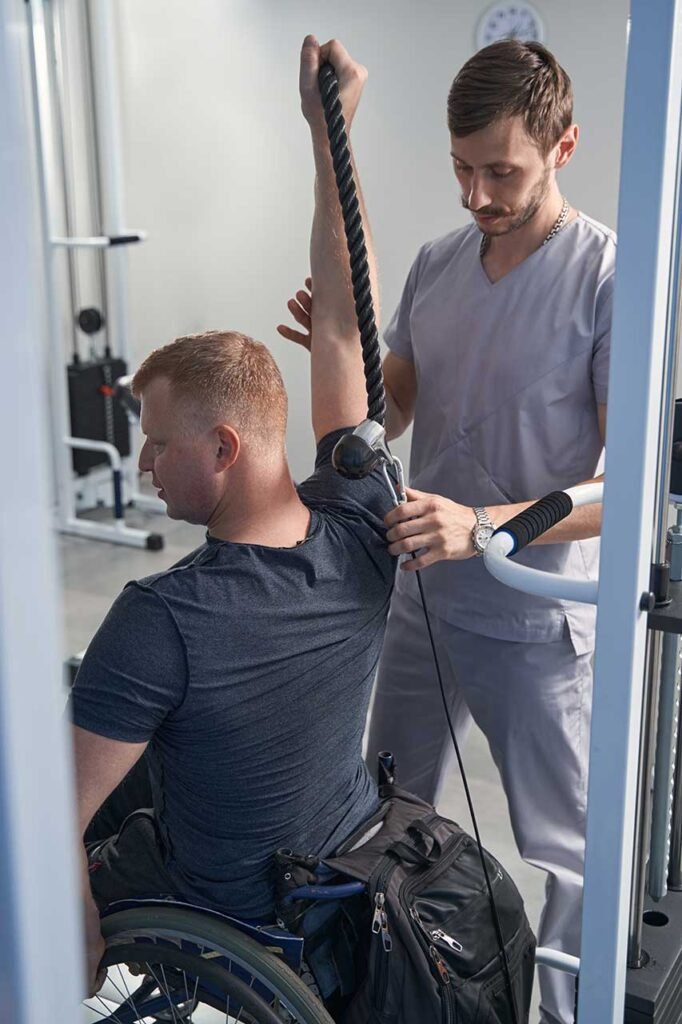
Do you experience a deep, aching pain on the outer side of your forearm, particularly when lifting objects, turning your palm, or performing repetitive arm movements? These symptoms may be associated with radial tunnel syndrome, a condition involving irritation or compression of a nerve near the elbow.
The radial nerve travels from the upper arm towards the forearm and passes through an area near the elbow known as the radial tunnel. Pressure or irritation around this region may contribute to persistent forearm discomfort.
People who perform repetitive gripping, lifting, twisting, or forearm movements may experience symptoms that interfere with work, exercise, and everyday activities.
If you are experiencing ongoing forearm pain in Modbury North or surrounding Adelaide suburbs, understanding the possible causes and management options can help you decide when to seek professional assessment.
In this guide, we explore the symptoms, causes, and seven helpful tips for managing radial tunnel syndrome.
What Is Radial Tunnel Syndrome?
Radial tunnel syndrome is a painful condition associated with irritation or compression of the posterior interosseous nerve, a branch of the radial nerve, as it passes through the radial tunnel near the elbow.
The radial tunnel is a narrow anatomical passage formed by surrounding muscles, tendons, and other structures.
When the nerve becomes irritated, it may cause aching or burning discomfort along the outer and upper part of the forearm.
Unlike some other nerve compression conditions, radial tunnel syndrome commonly causes pain without clear sensory loss or muscle weakness. Significant weakness may suggest a different or more severe nerve condition and requires medical assessment.
Common Causes and Risk Factors
Several factors may contribute to irritation around the radial tunnel:
Repetitive forearm movements: Frequent turning of the palm upwards and downwards may increase stress around the nerve.
Repeated lifting: Regularly lifting heavy objects may aggravate forearm symptoms.
Repetitive gripping: Activities requiring sustained gripping can increase muscular demands.
Overuse: Sudden increases in repetitive work or exercise may contribute to irritation.
Previous injuries: Trauma around the elbow or forearm may affect nearby structures.
Local tissue changes: Swelling or anatomical structures may contribute to pressure around the nerve in some cases.
The cause is not always clear, and symptoms can overlap with other elbow and forearm conditions.
Common Symptoms of Radial Tunnel Syndrome
Symptoms usually develop around the outer elbow and upper forearm, although discomfort may extend towards the wrist.
Common symptoms include:
Deep forearm pain: An aching or burning sensation along the upper outer forearm.
Tenderness: Discomfort when pressure is applied a few centimetres below the outer elbow.
Pain during lifting: Symptoms may increase when lifting bags, tools, or other objects.
Discomfort with forearm rotation: Turning the palm upwards or downwards may aggravate pain.
Pain during wrist movements: Certain wrist or finger movements may increase forearm discomfort.
Activity-related symptoms: Repetitive work or exercise may make the pain more noticeable.
Reduced activity tolerance: Everyday tasks may become difficult because of discomfort.
Symptoms can resemble tennis elbow, making an accurate assessment important.
7 Helpful Tips for Managing Radial Tunnel Syndrome
The following strategies may help manage symptoms and reduce unnecessary irritation around the forearm. The most appropriate approach depends on your symptoms and clinical assessment.
1. Identify and Modify Painful Activities
Repeated movements that aggravate your symptoms may increase discomfort around the radial tunnel.
Try to identify which activities cause your forearm pain.
You may consider:
Reducing repetitive twisting movements.
Avoiding unnecessary heavy lifting.
Taking breaks during repetitive tasks.
Alternating between different activities.
Reducing forceful gripping when possible.
For example, if using hand tools repeatedly increases your forearm pain, consider shorter work periods and suitable breaks.
The goal is to modify aggravating activities without unnecessarily avoiding all arm movement.
2. Avoid Excessive Repetitive Forearm Rotation
Repeatedly turning your palm upwards and downwards may aggravate symptoms in some people.
Activities that involve frequent forearm rotation include:
Using screwdrivers.
Turning tight handles.
Repeatedly opening jars.
Using certain hand tools.
Performing repetitive lifting tasks.
Where possible, modify how you complete these activities.
Keep movements comfortable and avoid repeatedly pushing through significant pain.
3. Adjust Your Lifting Technique
Lifting objects incorrectly or using excessive force may increase the demands placed on your forearm muscles.
Consider these adjustments:
Keep objects close to your body.
Avoid lifting unnecessarily heavy loads.
Use both hands when appropriate.
Keep your wrist in a comfortable position.
Avoid sudden twisting while carrying objects.
For heavier tasks, consider using equipment or asking for assistance rather than repeatedly straining your arm.
4. Maintain Comfortable Elbow and Wrist Movement
Completely avoiding movement may contribute to stiffness and reduced activity tolerance.
Once serious injury has been ruled out, comfortable movement may help maintain normal arm function.
Depending on your symptoms, suitable movements may include:
Gentle elbow bending and straightening.
Comfortable wrist movements.
Gentle forearm rotation.
Light hand opening and closing.
Controlled shoulder movements.
Avoid forcing movements that reproduce significant pain.
If an exercise causes increasing symptoms, stop and seek professional advice about modifying it.
5. Follow an Appropriate Strengthening Programme
The muscles of the forearm help control wrist, finger, and elbow movements.
A suitable rehabilitation programme may help improve strength and your ability to perform everyday activities.
Depending on your assessment, exercises may include:
Gentle wrist extension exercises.
Light forearm strengthening.
Controlled elbow movements.
Grip exercises at an appropriate resistance.
Shoulder and upper-arm strengthening.
Start with manageable resistance and increase the difficulty gradually.
Do not begin aggressive strengthening exercises if they significantly increase your forearm pain.
6. Consider Physiotherapy for Guided Rehabilitation
Physiotherapy may help identify activities that aggravate your symptoms and guide a suitable rehabilitation programme.
A physiotherapist may assess:
The location of your forearm pain.
Elbow and wrist movement.
Forearm muscle strength.
Tenderness around the radial tunnel.
Symptoms during resisted movements.
Shoulder and upper-limb function.
Your ability to complete everyday activities.
Depending on the findings, treatment may include:
Activity modification advice.
Appropriate mobility exercises.
Progressive forearm strengthening.
Nerve-related movement exercises where indicated.
Functional rehabilitation.
Advice about suitable work and exercise modifications.
For example, someone who experiences forearm pain while using tools may benefit from reviewing their gripping technique, reducing repetitive movements, and gradually rebuilding forearm strength.
Physiotherapy should be part of an appropriate management plan based on the individual’s diagnosis and symptoms.
7. Monitor Your Symptoms and Progress Gradually
Recovery may take time, particularly if symptoms have been present for several weeks or months.
Pay attention to how your forearm responds to daily activities and exercises.
Consider:
Recording activities that increase discomfort.
Gradually increasing exercise intensity.
Avoiding sudden increases in workload.
Taking suitable breaks.
Monitoring changes in pain and strength.
Seeking reassessment if symptoms are not improving.
If you notice new weakness, loss of function, or worsening symptoms, arrange medical assessment rather than continuing to increase exercise intensity.
How Is Radial Tunnel Syndrome Diagnosed?
Diagnosing radial tunnel syndrome can be challenging because its symptoms overlap with other conditions, including tennis elbow and other nerve-related problems.
A healthcare professional will usually begin by discussing your symptoms, medical history, work activities, and previous injuries.
A physical examination may include:
Checking the location of tenderness around the outer elbow and forearm.
Assessing elbow and wrist movement.
Testing forearm rotation.
Evaluating wrist and finger strength.
Performing appropriate resisted movement tests.
Checking for signs of other nerve conditions.
Are Imaging or Nerve Tests Necessary?
There is no single test that reliably confirms every case of radial tunnel syndrome.
Depending on the findings, a doctor may recommend additional investigations.
X-ray: May help identify bone-related problems or previous injuries.
MRI: May be considered when a structural problem or another cause of nerve compression is suspected.
Nerve conduction studies and electromyography (EMG): These tests may help investigate other nerve conditions. Results can be normal in radial tunnel syndrome, so normal findings do not necessarily exclude it.
The appropriate investigations depend on the clinical assessment and suspected diagnosis.
How Can Physiotherapy Help With Radial Tunnel Syndrome?
Physiotherapy may help manage forearm discomfort, improve movement, and gradually restore your ability to perform everyday activities.
Treatment should be individualised according to the cause of symptoms and your functional requirements.
Activity Modification
Your physiotherapist may help identify movements that aggravate your forearm and suggest ways to modify them.
This may involve:
Adjusting lifting techniques.
Reducing repetitive gripping.
Modifying work activities.
Taking suitable breaks.
Reviewing exercise routines.
Mobility and Strengthening
Depending on your symptoms, rehabilitation may include:
Comfortable elbow and wrist movements.
Forearm muscle exercises.
Appropriate nerve mobility exercises.
Progressive strengthening.
Shoulder and upper-limb conditioning.
Exercises should be selected carefully and progressed according to your response.
Functional Rehabilitation
As your symptoms improve, rehabilitation may focus on helping you return to activities such as:
Lifting household objects.
Using hand tools.
Working at a computer.
Performing repetitive tasks.
Returning to suitable gym exercises.
Completing work-related activities.
The aim is to improve your activity tolerance while avoiding unnecessary aggravation.
How Long Does Radial Tunnel Syndrome Take to Improve?
Recovery varies depending on the underlying cause, symptom duration, and individual response to treatment.
Some people improve over several weeks with appropriate activity modification and conservative management. Others may require a longer rehabilitation period.
Factors that may influence recovery include:
How long symptoms have been present.
The severity of discomfort.
Repetitive demands placed on the forearm.
Whether another condition is contributing to symptoms.
The presence of confirmed nerve dysfunction.
Your response to treatment and rehabilitation.
If symptoms persist despite appropriate management, further medical assessment may be necessary to review the diagnosis and consider other treatment options.
When Should You Seek Medical Advice?
Forearm pain can have several causes, and not all cases are related to radial tunnel syndrome.
Seek professional assessment if you experience:
Persistent pain around the outer elbow or forearm.
Increasing discomfort during everyday activities.
Difficulty lifting or gripping objects.
Pain that does not improve with activity modification.
Symptoms following an accident or injury.
Seek prompt medical assessment if you develop:
New or increasing wrist or finger weakness.
Difficulty lifting your wrist or straightening your fingers.
Progressive numbness or tingling.
Sudden loss of arm function.
Severe pain following an injury.
These symptoms may indicate a different or more significant nerve or musculoskeletal condition.
Frequently Asked Questions About Radial Tunnel Syndrome
1. What causes radial tunnel syndrome?
Radial tunnel syndrome is associated with irritation or compression of the posterior interosseous nerve near the elbow. Repetitive forearm rotation, lifting, and overuse may contribute to symptoms.
2. Where is radial tunnel syndrome pain located?
Pain is commonly felt along the outer part of the upper forearm, usually a few centimetres below the outer elbow. It may extend towards the wrist.
3. Is radial tunnel syndrome the same as tennis elbow?
No. Radial tunnel syndrome involves irritation of a nerve near the elbow, while tennis elbow affects the tendons that attach to the outer elbow. Both conditions can cause similar pain, so assessment is important.
4. Can radial tunnel syndrome cause weakness?
Radial tunnel syndrome commonly causes pain without objective muscle weakness. Significant wrist or finger weakness may indicate posterior interosseous nerve dysfunction or another condition and should be medically assessed.
5. Does physiotherapy help radial tunnel syndrome?
Physiotherapy may help through activity modification, suitable exercises, and progressive rehabilitation. Treatment depends on the diagnosis and individual symptoms.
6. How long does radial tunnel syndrome take to recover?
Recovery varies. Some people improve within several weeks, while persistent or more complicated symptoms may take longer and require further assessment.
7. When should I see a physiotherapist for forearm pain?
Consider an assessment if forearm pain continues to affect lifting, gripping, work, or everyday activities. A physiotherapist can assess your movement and help determine whether rehabilitation is appropriate.
Physiotherapy for Forearm Pain in Modbury North, Adelaide
Persistent forearm pain can make everyday activities such as lifting, carrying, gripping, and using tools uncomfortable.
If you are experiencing symptoms that may be associated with radial tunnel syndrome, an appropriate assessment can help identify possible causes and suitable management options.
PAX Physiotherapy, located in Modbury North, South Australia, provides physiotherapy and exercise rehabilitation services for people experiencing musculoskeletal pain and movement difficulties.
The clinic is located at Unit 2, 438 Montague Road, Modbury North SA 5092, and may be convenient for people in Modbury North and nearby Adelaide suburbs.
Contact PAX Physiotherapy to discuss available services and appointment options.
PAX Physiotherapy – Modbury North, Adelaide
Address: Unit 2, 438 Montague Road, Modbury North SA 5092
Phone: 08 8333 8333
Mobile: 0499 999 636
Email: admin@paxphysiotherapy.com.au
Website: https://paxphysiotherapy.com.au/
Medical Disclaimer
This article provides general educational information and is not a substitute for professional medical advice, diagnosis, or treatment. Forearm pain may have several causes, and symptoms alone cannot confirm radial tunnel syndrome. Consult a qualified healthcare professional for an appropriate assessment, particularly if you develop increasing weakness, numbness, tingling, or difficulty moving your wrist or fingers.
