

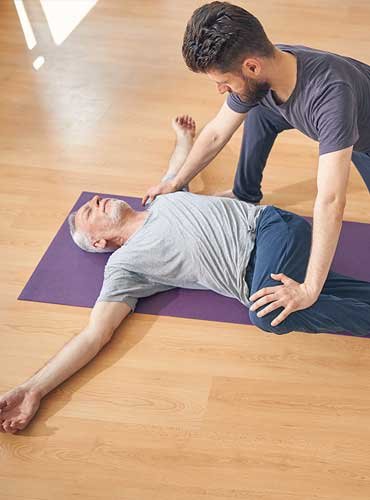
Does pain travel from your lower back into your buttock, thigh or leg? Do you experience tingling, numbness or discomfort that makes sitting, walking or sleeping difficult? These symptoms may be associated with sciatica, a condition involving irritation or compression of the sciatic nerve or its nerve roots. For some people, sciatica causes mild discomfort, while others experience persistent pain that interferes with everyday activities.
Sciatica can make ordinary movements feel challenging. Sitting at a desk, driving, bending to put on shoes or standing for extended periods may aggravate your symptoms. Although the pain can be worrying, complete bed rest is not usually the best approach for uncomplicated cases. Understanding your symptoms and finding a manageable level of activity can help you take practical steps towards recovery.
Physiotherapy may help people with sciatica understand their symptoms, maintain appropriate movement and gradually improve their strength and daily function. The right approach depends on the cause of the symptoms, their severity and your individual health needs.
What Is Sciatica?
Sciatica describes pain and other symptoms associated with irritation of the sciatic nerve or the nerve roots that contribute to it. The sciatic nerve travels from the lower back through the buttock and down each leg.
When a nerve root becomes irritated or compressed, symptoms may develop along the pathway of the affected nerve. One possible cause is a herniated disc in the lower back. Other conditions, including age-related changes in the spine, may also contribute.
Common symptoms associated with sciatica include:
Pain travelling from the lower back or buttock into the leg.
Burning, shooting or electric-like pain.
Tingling or pins and needles in part of the leg or foot.
Numbness in an area of the leg.
Weakness affecting certain leg or foot movements.
Sciatica usually affects one side of the body, although symptoms can vary. The location and intensity of the pain may change depending on the underlying cause and the activities you perform.
It is important to understand that not every case of lower back pain or leg pain is sciatica. Muscle problems, hip conditions and other medical issues can produce similar symptoms. A suitable assessment can help identify the likely cause and determine whether further investigation is necessary.
7 Practical Ways to Manage Sciatica
Managing sciatica often involves staying appropriately active, adjusting aggravating activities and gradually rebuilding physical capacity. These seven strategies may help, but the most suitable approach depends on your symptoms and assessment findings.
1. Keep Moving Within Your Comfort Level
When sciatica causes pain, resting may seem like the safest option. However, prolonged inactivity can reduce strength and make returning to everyday activities more difficult.
If movement is safe and manageable, try to maintain some of your usual activities. You could take shorter walks, perform light household tasks or change position regularly throughout the day.
Consider these practical adjustments:
Break long periods of sitting into shorter sessions.
Take brief walks if walking does not significantly aggravate your symptoms.
Alternate between sitting, standing and moving.
Temporarily reduce activities that consistently worsen your pain.
Gradually increase your activity as your symptoms allow.
You do not need to push through severe pain to remain active. The goal is to find a manageable level of movement without repeatedly provoking significant symptoms.
If walking becomes increasingly difficult, your leg feels weak or your symptoms worsen substantially, seek professional advice rather than forcing yourself to continue.
2. Change Positions Regularly
Staying in one position for a long time may aggravate symptoms for some people with sciatica. Sitting can be particularly uncomfortable, especially during long workdays or car journeys.
Rather than searching for one perfect posture, aim to vary your position throughout the day.
You may find it helpful to:
Adjust your chair so your feet can rest comfortably on the floor.
Use back support if it helps you sit more comfortably.
Stand up and move around at regular intervals.
Take breaks during long drives when it is safe to do so.
Change your position before discomfort becomes difficult to manage.
Some people feel better sitting, while others prefer standing or lying down temporarily. There is no single position that works for everyone.
Pay attention to how different positions affect your symptoms. If a movement repeatedly causes pain to travel further down your leg, stop that movement and discuss it with a qualified health professional.
3. Start With Gentle, Suitable Movement
Gentle movement may help you maintain mobility while managing sciatica. However, not every stretch or exercise is suitable for every cause of nerve-related pain.
Depending on your symptoms, a physiotherapist may recommend comfortable walking, gentle spinal movements or other exercises that help you maintain normal function.
Avoid forcing deep stretches or repeatedly performing movements that cause sharp, shooting pain, increasing numbness or worsening leg symptoms.
Exercises that help one person may aggravate another. The direction of movement, the underlying condition and your current sensitivity all influence which exercises are appropriate.
If your symptoms are severe, persistent or accompanied by weakness, obtain an assessment before starting an intensive exercise programme.
4. Build Strength Gradually
Improving strength and physical capacity may form part of a rehabilitation plan for sciatica, particularly when symptoms have reduced your usual activity.
Depending on your assessment, a programme may include exercises for the trunk, hips and legs, as well as gradual practice of everyday movements such as standing from a chair or walking for longer periods.
Your programme should match your current ability. You might begin with a small number of comfortable repetitions and gradually increase the challenge as your symptoms and confidence improve.
The goal is not to strengthen one specific muscle at all costs. It is to help you move more comfortably, tolerate everyday activities and return to the tasks that matter to you.
If an exercise causes a significant increase in leg pain, new numbness or worsening weakness, stop and seek professional guidance.
5. Manage Sitting, Driving and Work Activities
Work and daily routines can influence how manageable sciatica feels. Long periods of sitting, repetitive bending or physically demanding tasks may aggravate symptoms in some people.
If you work at a desk, arrange your workstation so you can change position comfortably. During long drives, plan appropriate breaks when possible. If your work involves lifting or repeated bending, consider temporarily adjusting the load, frequency or technique of these tasks.
Helpful strategies may include:
Keeping frequently used items within easy reach.
Alternating tasks instead of repeating one movement for long periods.
Taking short movement breaks during desk work.
Reducing heavy lifting during a painful flare-up when appropriate.
Gradually returning to more demanding tasks as your capacity improves.
You do not necessarily need to avoid bending or lifting permanently. The aim is to manage current symptoms while progressively restoring your ability to perform normal activities.
For additional guidance on setting up your workstation, read PAX Physiotherapy’s desk ergonomics and posture guide.
6. Use Heat or Cold for Temporary Comfort
Some people with sciatica find that a warm pack helps them feel more comfortable, while others prefer a cold pack for temporary symptom relief.
Neither option treats every underlying cause of sciatica. These methods are best viewed as possible ways to manage discomfort rather than complete treatments.
If using a warm pack, make sure it is not excessively hot and avoid falling asleep while it is applied. If using a cold pack, wrap it in a towel rather than placing ice directly against your skin.
Avoid heat or cold over areas with reduced sensation, and seek professional advice if you have circulation problems or are unsure whether these options are safe for you.
You can also read PAX Physiotherapy’s guide to using ice or heat for pain and muscle stiffness.
7. Consider Physiotherapy if Sciatica Persists
If sciatica continues to affect your work, sleep, walking or everyday activities, a physiotherapy assessment may help clarify your symptoms and identify appropriate management options.
A physiotherapist can discuss your symptoms, assess relevant movements and strength, and consider whether your presentation requires referral for further medical investigation.
Depending on the assessment, treatment may include education, activity modification, suitable exercises and progressive rehabilitation. The plan should reflect your symptoms, functional goals and response to movement.
PAX Physiotherapy offers services including exercise rehabilitation and pain education and self-management. These approaches may be relevant to a rehabilitation plan when clinically appropriate.
Physiotherapy is not a substitute for urgent medical care when serious nerve compression or another significant condition is suspected. Identifying warning signs is an essential part of safe management.
How Can Physiotherapy Help With Sciatica?
Physiotherapy aims to help you understand your symptoms, maintain appropriate movement and improve your ability to perform daily activities. The exact approach depends on what is causing your symptoms and whether there are signs of significant nerve involvement.
Individual Assessment
A physiotherapist may ask when your symptoms began, where the pain travels and which activities make it better or worse.
The assessment may include checking movement, strength, sensation and relevant nerve function. Your clinician may also ask about your medical history and any changes in bladder or bowel function.
These findings help determine whether conservative management may be appropriate or whether you need medical review or further investigation.
Personalised Exercise Rehabilitation
Exercise rehabilitation may help you maintain physical capacity and gradually return to normal activities.
Depending on your presentation, exercises may focus on comfortable movement, general strength, walking tolerance or the physical tasks required for work and recreation.
The aim is not to force the spine into a particular position. It is to find appropriate movements and progress activity according to your symptoms and functional goals.
Education and Self-Management
Understanding sciatica can reduce uncertainty and help you make informed decisions about activity.
A physiotherapist can explain which symptoms require attention, how to adjust daily tasks and how to progress activity without repeatedly aggravating your condition.
A good self-management plan should be practical enough to follow at home and flexible enough to change as your symptoms improve.
Monitoring Progress
Recovery can involve gradual changes rather than immediate relief. Your ability to sit, walk, sleep and complete everyday activities can help indicate whether your management plan is working.
If your symptoms are not improving or you develop new neurological symptoms, your treatment plan may need to be reviewed. A physiotherapist can help identify when further medical assessment is appropriate.
How Long Does Sciatica Take to Improve?
The recovery time for sciatica varies considerably. Some people improve over several weeks, while others experience symptoms for longer, depending on the underlying cause and severity.
Factors that can influence recovery include the condition affecting the nerve, the duration of symptoms, physical demands, general health and whether significant nerve weakness is present.
Improvement may occur gradually. You may notice that walking becomes easier or that pain occurs less frequently before all symptoms disappear.
Avoid comparing your recovery with someone else’s experience. A management plan should reflect your own symptoms, functional goals and clinical findings.
If sciatica is severe, persistent or progressively worsening, seek medical advice. Do not delay assessment simply because you expect the symptoms to settle on their own.
When Should You Seek Urgent Medical Attention?
Most episodes of back and leg pain do not represent a medical emergency, but some symptoms require immediate assessment.
Seek emergency medical care if you experience any of the following:
New difficulty starting urination, inability to urinate or loss of bladder control.
Loss of bowel control.
Numbness around the groin, genitals or inner thighs, sometimes described as saddle numbness.
Severe or rapidly worsening weakness in the leg or legs.
New symptoms affecting both legs, particularly alongside bladder, bowel or saddle-area changes.
These symptoms may indicate serious compression of nerves in the lower spine, including cauda equina syndrome. Do not wait for a routine physiotherapy appointment if these symptoms develop.
You should also seek prompt medical assessment for significant trauma, fever with severe back pain, or back pain accompanied by other concerning symptoms.
If you have persistent leg pain, new numbness or weakness without the emergency warning signs above, arrange a timely medical assessment.
For more information about sciatica, symptoms and treatment, consult the NHS guide to sciatica.
Frequently Asked Questions About Sciatica
1. What does sciatica feel like?
Sciatica may cause pain that travels from the lower back or buttock into the leg. Some people describe it as shooting, burning or electric-like pain. Tingling, numbness or weakness can also occur, depending on the affected nerve.
2. Is walking good for sciatica?
Gentle walking may help some people maintain movement and everyday function. The suitable amount depends on your symptoms. Start at a manageable level and adjust your activity if walking significantly worsens the pain.
3. Should I rest if I have sciatica?
Short periods of rest may help during a painful flare-up, but prolonged bed rest is generally not recommended for uncomplicated low back pain. Try to maintain comfortable movement when safe, and seek advice if you are struggling to stay active.
4. Can physiotherapy help sciatica?
Physiotherapy may help you manage symptoms, maintain movement and progressively improve function. The treatment plan depends on the underlying cause and clinical findings. Some symptoms require medical assessment before rehabilitation begins.
5. Can sciatica go away on its own?
Some episodes improve over time, but recovery varies depending on the cause and severity. Persistent or worsening symptoms should be assessed, especially if you develop numbness, weakness or changes in bladder or bowel function.
6. Is sciatica the same as lower back pain?
No. Lower back pain can occur without nerve-related symptoms. Sciatica refers to symptoms associated with irritation or compression of the sciatic nerve or its contributing nerve roots. A person may experience both back pain and sciatica.
Take the Next Step Towards Better Movement
Sciatica can make sitting, walking, working and sleeping difficult. Understanding your symptoms, staying appropriately active and following a suitable management plan can help you work towards better mobility and everyday function.
At PAX Physiotherapy, we focus on individual assessment, patient education and rehabilitation tailored to your needs. If back or leg pain is affecting your routine, our team can help you explore appropriate management options and determine the next step.
If you are looking for physiotherapy in Modbury North, contact PAX Physiotherapy to discuss an appointment.
PAX Physiotherapy
Address: Unit 2, 438 Montague Road, Modbury North SA 5092
Phone: 08 8333 8333
Mobile: 0499 999 636
Email: admin@paxphysiotherapy.com.au
Visit our Services page to learn about available physiotherapy options, or use our Contact page to enquire about an appointment.
Disclaimer: This article provides general health information and does not replace an individual assessment, diagnosis or medical advice. Seek urgent medical attention for emergency warning signs, including new bladder or bowel dysfunction, saddle numbness or rapidly worsening leg weakness.
