

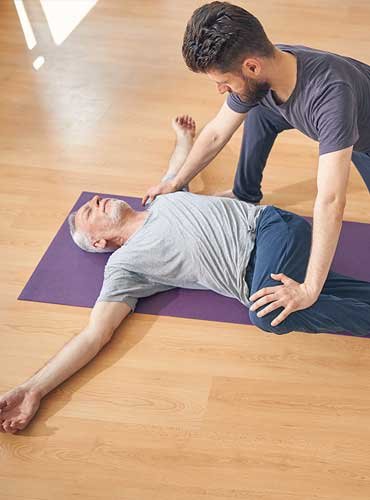
Back discomfort, changes in posture, and difficulty standing comfortably can affect daily life, particularly as we get older. For some adults, these concerns may be associated with adult scoliosis, a condition in which the spine curves sideways and also rotates.
Scoliosis can develop during childhood and remain into adulthood, or it can develop later in life due to age-related changes in the spine. Some people experience few symptoms, while others may develop back pain, stiffness, or discomfort that affects their everyday activities.
Although exercises and physiotherapy do not generally straighten an established structural spinal curve, appropriate management may help improve physical function and manage associated pain. In this guide, we explore seven practical tips for living with adult scoliosis and maintaining an active lifestyle.
What Is Adult Scoliosis?
Adult scoliosis refers to an abnormal sideways curvature and rotation of the spine in an adult.
There are two broad ways it may occur:
Adult scoliosis that began earlier in life: A spinal curve develops during childhood or adolescence and continues into adulthood.
Degenerative scoliosis: Changes to spinal discs and joints contribute to a curve that develops later in life.
Age-related changes may affect the spine’s structure, flexibility, and ability to distribute loads comfortably. However, not every adult with scoliosis experiences pain or requires treatment.
The appropriate management depends on the severity of the curvature, symptoms, overall health, and whether the condition is changing over time.
Common Signs and Symptoms of Adult Scoliosis
Symptoms vary from person to person. Some people first notice a difference in their posture, while others discover the condition during an assessment for back pain.
Possible signs include:
Uneven shoulders: One shoulder may appear higher than the other.
Uneven hips: One side of the pelvis may appear more prominent.
Changes in the waistline: The waist may look different on each side.
A visible spinal curve: The back may appear to curve or lean to one side.
Back discomfort: Some adults experience persistent or activity-related back pain.
Leg symptoms: In some cases, associated spinal changes may contribute to pain, tingling, or numbness in the legs.
These signs do not confirm scoliosis by themselves. A healthcare professional can examine your spine and determine whether further investigation, such as an X-ray, is appropriate.
New or worsening pain should not automatically be attributed to an existing spinal curve, as other conditions may also require assessment.
7 Helpful Tips for Managing Adult Scoliosis
1. Stay Physically Active
Regular physical activity can support general health, muscle strength, balance, and mobility. Having scoliosis does not automatically mean that you need to avoid exercise.
Choose activities that suit your physical abilities and do not significantly aggravate your symptoms. Depending on your needs, these may include walking, swimming, stationary cycling, or other comfortable forms of movement.
To make activity more manageable:
Start with a duration that feels achievable.
Break longer activities into shorter sessions.
Increase activity gradually.
Take breaks when needed.
Modify movements that repeatedly worsen your symptoms.
You do not need to force yourself through significant pain to remain active. If you are unsure which activities are appropriate, seek guidance from a qualified healthcare professional.
2. Develop a Suitable Strengthening Routine
Muscle strength supports everyday movements such as standing, walking, lifting, and getting out of a chair. A suitable exercise programme may help adults with scoliosis maintain strength and manage some forms of associated discomfort.
Depending on your assessment, a physiotherapist may recommend exercises for the trunk, hips, and legs.
A programme may focus on:
Improving general trunk strength.
Maintaining hip and leg strength.
Developing balance and coordination.
Improving tolerance for everyday activities.
Building confidence with movement.
Exercises should be adapted to your abilities, symptoms, and any other medical conditions you may have.
It is important to understand that strengthening exercises are not a guaranteed way to correct a structural spinal curve. Their main purpose may be to support function, physical conditioning, and symptom management.
3. Make Your Workspace Comfortable
If you spend many hours sitting at a desk, a comfortable workstation may help reduce unnecessary strain and make it easier to change positions throughout the day.
Consider the following adjustments:
Use a chair that supports your back comfortably.
Keep your feet supported on the floor or a footrest.
Position your screen so you can view it without repeatedly twisting your neck.
Keep frequently used items within easy reach.
Change position regularly rather than remaining still for long periods.
There is no single perfect posture that everyone must maintain. The goal is to find comfortable positions, move regularly, and avoid staying in one position for too long.
If your workstation consistently aggravates your symptoms, a physiotherapist may help you identify practical adjustments.
4. Learn to Manage Pain and Stiffness
Back discomfort associated with adult scoliosis may vary depending on your activity, general health, and other spinal changes.
A useful approach is to identify patterns in your symptoms without becoming overly restrictive about movement.
You may find it helpful to:
Alternate between sitting, standing, and walking.
Use comfortable positions to rest when needed.
Apply gentle heat if it helps relieve muscle tension.
Maintain a manageable level of physical activity.
Plan demanding tasks with suitable breaks.
If pain persists or begins affecting sleep, work, or routine activities, arrange a medical or physiotherapy assessment.
A clinician can help determine whether your symptoms are likely to be related to scoliosis or whether another cause needs to be investigated.
5. Improve Balance and Movement Confidence
Balance can become more challenging for some adults as they age or experience pain and reduced physical activity. Maintaining balance and coordination can help support independence with everyday tasks.
Depending on your abilities, suitable activities may include supported standing exercises, controlled weight shifting, and walking on safe, even surfaces.
Helpful precautions include:
Use a stable support when practising unfamiliar balance exercises.
Wear comfortable footwear that provides suitable grip.
Keep walkways clear of loose objects.
Use handrails when appropriate.
Ask for professional guidance if you have a history of falls.
If you experience new balance problems, unexplained falls, or progressive weakness, seek medical assessment rather than assuming these changes are simply part of scoliosis.
6. Consider an Individualised Physiotherapy Assessment
Physiotherapy may help some adults with scoliosis manage back discomfort, maintain physical function, and develop strategies for daily activities.
An assessment may consider your symptoms, spinal movement, strength, balance, activity levels, and personal goals.
Depending on the findings, your physiotherapist may recommend:
A tailored strengthening programme.
Exercises to maintain comfortable mobility.
Advice on modifying activities that aggravate symptoms.
Balance and functional training where appropriate.
Strategies for gradually increasing activity.
Guidance on managing symptoms during work and household tasks.
Treatment should reflect your individual needs rather than relying on a standard exercise routine for everyone with scoliosis.
Physiotherapy does not guarantee that a spinal curve will straighten or stop progressing. If your symptoms suggest that the curve is worsening or nerves may be affected, your healthcare professional may recommend further medical assessment.
7. Monitor Changes and Attend Recommended Check-Ups
Scoliosis does not always progress, particularly once growth has finished. However, some adults experience changes associated with degenerative spinal conditions.
Pay attention to changes such as increasing pain, a noticeable change in posture, reduced walking tolerance, or new symptoms affecting your legs.
Consider arranging a medical assessment if:
Your back pain is persistent or worsening.
You notice a significant change in your spinal alignment.
Your daily activities become increasingly difficult.
You develop new numbness or tingling.
You experience new or progressive weakness.
Seek emergency medical care if you develop new bladder or bowel dysfunction, numbness around the groin or saddle area, or severe or rapidly worsening leg weakness. These symptoms may indicate serious nerve compression.
Regular follow-up should be guided by your symptoms, medical history, and the recommendations of your healthcare professional.
How Can Physiotherapy Help Adults With Scoliosis?
Physiotherapy can support adults with scoliosis by addressing physical limitations and helping them maintain everyday function.
The approach depends on whether your main concern is back discomfort, reduced mobility, muscle weakness, balance difficulties, or another issue associated with the condition.
Your physiotherapist may work with you to develop a manageable exercise programme, improve general strength, and identify practical ways to perform daily activities more comfortably.
For example, if standing for long periods increases your back discomfort, your management plan may include activity pacing, strengthening exercises, and strategies for changing positions throughout the day.
At PAX Physiotherapy in Modbury North, you can explore available physiotherapy services and discuss whether an individualised assessment may be appropriate for your symptoms.
Learn more about the clinic’s approach to movement and rehabilitation through its Back & Neck Pain Treatment and Exercise Rehabilitation services.
Can Exercise Correct Adult Scoliosis?
Exercise can help support strength, flexibility, physical conditioning, and symptom management. However, general exercises should not be expected to eliminate an established structural spinal curve.
Some specialised scoliosis exercise approaches may be recommended for selected individuals by appropriately trained clinicians. The suitability of these programmes depends on the type of scoliosis, symptoms, and individual assessment.
If you have noticed a new spinal curve or believe an existing curve is changing, seek medical assessment. A healthcare professional can determine whether imaging or specialist advice is needed.
Treatment decisions should be based on the clinical findings rather than posture alone.
Does Adult Scoliosis Always Cause Back Pain?
No. Many people with scoliosis experience little or no pain and can continue their usual activities.
When pain occurs, it may be associated with age-related changes to spinal joints and discs, muscle fatigue, reduced physical conditioning, or irritation of nearby nerves.
Because back pain has many possible causes, it is important not to assume that scoliosis explains every symptom.
A professional assessment can help identify possible contributing factors and determine an appropriate management plan.
Frequently Asked Questions About Adult Scoliosis
1. Can adults develop scoliosis later in life?
Yes. Scoliosis can develop in adulthood, including through degenerative changes in the spinal discs and joints. A healthcare professional can assess suspected scoliosis and determine whether further investigation is needed.
2. Is walking good for adults with scoliosis?
Walking can support general health and mobility for many people with scoliosis. Start at a comfortable level and adjust the duration according to your symptoms. Seek advice if walking causes significant pain, new numbness, or weakness.
3. Can physiotherapy straighten the spine?
Physiotherapy may help improve strength, mobility, balance, and pain management. It should not be presented as a guaranteed way to straighten an established structural spinal curve.
4. Should I avoid exercise if I have scoliosis?
Not necessarily. Many people with scoliosis can remain active. The most suitable activities depend on your symptoms, physical abilities, and medical advice. Seek professional guidance before starting a new programme if you have significant pain or other health concerns.
5. Can adult scoliosis cause leg pain?
It can. In some cases, associated spinal changes may narrow the spaces around nerves and contribute to pain, tingling, numbness, or weakness in the legs. New or worsening neurological symptoms should be assessed promptly.
6. Does adult scoliosis always require surgery?
No. Many adults manage scoliosis without surgery. Treatment depends on the severity of the condition, symptoms, progression, and overall health. Specialist assessment may be recommended when symptoms are severe or neurological problems develop.
7. When should I see a healthcare professional?
Seek assessment if you notice a spinal curve, persistent or worsening back pain, significant postural changes, or increasing difficulty with everyday activities. New bladder or bowel dysfunction, saddle-area numbness, or severe progressive weakness requires emergency medical attention.
Get Support for Back Pain and Mobility at PAX Physiotherapy
Living with adult scoliosis does not automatically mean giving up exercise or everyday activities. Understanding your symptoms, staying active within your abilities, and receiving appropriate advice can help you make informed decisions about managing your condition.
If back discomfort, stiffness, or movement difficulties are affecting your routine, consider discussing your concerns with a qualified healthcare professional.
PAX Physiotherapy in Modbury North offers physiotherapy and rehabilitation services that may be relevant to people managing suitable musculoskeletal conditions.
PAX Physiotherapy
Address: Unit 2, 438 Montague Road, Modbury North SA 5092
Phone: 08 8333 8333
Mobile: 0499 999 636
Email: admin@paxphysiotherapy.com.au
Contact the clinic to discuss your symptoms and available appointment options.
Medical Disclaimer
This article provides general educational information and is not a substitute for personalised medical advice, diagnosis, or treatment. Scoliosis varies between individuals, and the appropriate management depends on clinical assessment. Consult a qualified healthcare professional for advice about your specific symptoms.
