

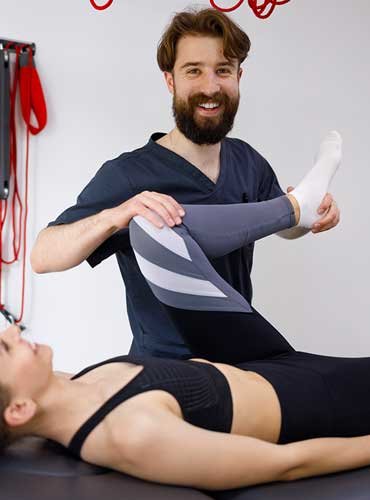
Do you experience pain at the back of your ankle when walking, running, climbing stairs or getting out of bed in the morning? These symptoms may be associated with an Achilles tendon problem. The Achilles tendon connects your calf muscles to your heel bone and plays an essential role in walking, running, jumping and pushing your body forward during movement.
When the Achilles tendon becomes painful, everyday activities can become uncomfortable. You may notice stiffness after resting, tenderness above the heel or discomfort when increasing your walking or exercise routine. These symptoms can affect your confidence and make it difficult to maintain your usual physical activities.
The good news is that many Achilles tendon problems can be managed with appropriate assessment, activity modification and progressive rehabilitation. Understanding your symptoms and choosing the right approach can help you work towards improved strength, mobility and function.
At PAX Physiotherapy, an individual assessment can help determine whether physiotherapy is appropriate for your symptoms and identify practical strategies to support your recovery.
What Is the Achilles Tendon?
The Achilles tendon is the strong band of tissue connecting the calf muscles to the back of the heel bone. It transfers force from the calf muscles to the foot, allowing you to push off the ground while walking, running and jumping.
Because the Achilles tendon experiences substantial forces during movement, a sudden increase in physical activity or repeated loading beyond its current capacity may contribute to pain.
One common condition is Achilles tendinopathy, which involves tendon pain and reduced tolerance for loading. It can affect the middle portion of the tendon or the area where the tendon attaches to the heel bone.
Common symptoms of an Achilles tendon problem include:
Pain at the back of the ankle or just above the heel.
Stiffness during the first few steps in the morning.
Discomfort when walking uphill or climbing stairs.
Pain during running, jumping or pushing off the foot.
Tenderness around the affected tendon.
Symptoms that increase after a sudden rise in physical activity.
Not every case of pain at the back of the ankle is caused by Achilles tendinopathy. Other conditions can produce similar symptoms, so an appropriate clinical assessment is important before starting a rehabilitation programme.
7 Practical Tips to Manage Achilles Tendon Pain
Managing Achilles tendon pain generally involves balancing activity with recovery and gradually rebuilding the tendon’s ability to tolerate physical demands.
The following strategies may help, depending on the cause of your symptoms and the severity of your condition.
1. Adjust Activities That Aggravate Your Achilles Tendon
A sudden increase in running distance, walking time, hill training or jumping can place additional demands on the Achilles tendon.
If your symptoms have increased after a change in activity, temporarily reducing the most aggravating activities may help you manage the discomfort.
Consider these adjustments:
Reduce running distance or intensity if running aggravates your symptoms.
Temporarily limit repeated jumping or sprinting.
Break long walks into shorter sessions when necessary.
Reduce uphill walking if it consistently increases pain.
Increase activity gradually as your symptoms allow.
Complete rest is not always necessary, but continuing to perform activities that repeatedly worsen your symptoms may make recovery more difficult.
The aim is to find a manageable level of activity while maintaining as much comfortable movement as possible.
2. Pay Attention to Morning Stiffness
Morning stiffness is a common symptom associated with Achilles tendinopathy. You may notice discomfort when taking your first steps after getting out of bed or standing after sitting for a long time.
This can happen because the tendon becomes sensitive to loading after a period of rest.
If this sounds familiar, take a moment to move gently before beginning more demanding activities. Start walking at a comfortable pace and avoid immediately rushing into running, jumping or strenuous exercise.
Monitor how your symptoms respond during the day and after activity.
Morning stiffness can provide useful information about how your tendon is responding to your current activity levels. If stiffness or pain is consistently worsening, consider reducing aggravating loads and seeking professional advice.
3. Choose Comfortable and Suitable Footwear
Footwear can influence how comfortable walking feels when you have Achilles tendon pain.
Some people find that supportive shoes with a modest heel-to-toe difference feel more comfortable temporarily. However, footwear needs vary, and a shoe that helps one person may not suit another.
Consider the following:
Choose footwear that feels comfortable during walking.
Avoid suddenly switching to minimalist or very flat footwear if this increases your symptoms.
Replace excessively worn shoes when they no longer provide suitable support.
Monitor whether particular shoes consistently aggravate your pain.
Heel lifts may be useful for some people in selected circumstances, but they are not necessary for everyone. If you are considering heel lifts or other footwear modifications, seek guidance from a qualified health professional.
Footwear can help manage symptoms, but it should not replace appropriate rehabilitation when strengthening is indicated.
4. Introduce Appropriate Calf Strengthening
Progressive strengthening is an important part of rehabilitation for many people with Achilles tendinopathy.
The calf muscles and Achilles tendon work together during walking, running and jumping. Improving their ability to tolerate loading may help you return to the activities you enjoy.
Depending on your symptoms, a physiotherapist may recommend exercises such as:
Controlled calf raises.
Seated calf-strengthening exercises.
Standing calf raises with appropriate support.
Gradual progression towards single-leg strengthening.
More demanding exercises as your capacity improves.
The appropriate starting point depends on the location of your pain, your current strength and your ability to perform the movements comfortably.
For example, exercises that involve lowering the heel below the level of a step may aggravate some people with pain at the point where the Achilles tendon attaches to the heel bone. These exercises should not automatically be used for every presentation.
Begin with a manageable exercise variation and increase the challenge gradually. If your symptoms become significantly worse or remain aggravated after exercise, review the programme with a health professional.
5. Warm Up Before More Demanding Activity
If you experience Achilles tendon stiffness, beginning intense activity immediately may be uncomfortable.
A gradual warm-up can help prepare you for movement and allow you to assess how your symptoms respond before increasing the physical demand.
Depending on your condition, your warm-up might include:
A short period of comfortable walking.
Gentle ankle movements.
Light, controlled calf movements.
A gradual increase in activity intensity.
Avoid treating a warm-up as permission to push through substantial pain. If your tendon remains painful during simple movements, high-impact activity may not be appropriate at that time.
Your warm-up should be suitable for your symptoms and the activity you intend to perform.
6. Return to Running and Exercise Gradually
If Achilles tendon pain develops while running or exercising, you may need to adjust your training temporarily.
Trying to return immediately to your previous distance, speed or intensity can place more demand on the tendon than it is currently able to tolerate.
A gradual return may involve reducing running volume, avoiding hills initially or temporarily choosing a lower-impact activity that feels more comfortable.
As your symptoms and strength improve, you can progressively increase the demands placed on the tendon.
Before returning to sprinting, jumping or demanding sports, consider whether you can tolerate the relevant movements and training loads without a substantial increase in symptoms.
There is no single return-to-running schedule that suits everyone. Your progress should be guided by your symptoms, strength and functional capacity rather than by a fixed deadline.
7. Consider Physiotherapy for Achilles Tendon Pain
If Achilles tendon pain continues to affect walking, work, exercise or everyday activities, a physiotherapy assessment may help you understand the cause and identify appropriate management options.
A physiotherapist can assess your symptoms, calf strength, ankle movement, activity levels and the movements that reproduce your pain.
Based on the findings, treatment may include education, activity modification, progressive strengthening and a structured return-to-activity plan.
PAX Physiotherapy provides exercise rehabilitation to help patients work towards improved strength, mobility and physical function. Depending on your assessment, exercise rehabilitation may form part of an individual plan for Achilles tendon problems.
Physiotherapy should be tailored to your presentation. If your symptoms suggest a significant tendon injury or another condition requiring medical care, you may need further assessment before beginning rehabilitation.
How Can Physiotherapy Help With Achilles Tendon Problems?
Physiotherapy aims to help you understand your symptoms, manage the physical demands placed on your tendon and gradually improve your ability to perform everyday activities.
The appropriate approach depends on the location of your pain, the severity of your symptoms and your functional goals.
Individual Assessment
A physiotherapist may ask when your Achilles tendon pain began, whether it followed a sudden increase in activity and which movements aggravate it.
The assessment may include examining the location of your pain, calf strength, ankle movement, walking ability and tolerance for selected exercises.
Your medical history and recent activity changes may also be relevant.
If the symptoms suggest a tendon rupture or another significant injury, urgent medical assessment may be required rather than routine exercise rehabilitation.
Personalised Exercise Rehabilitation
Exercise rehabilitation may help improve calf strength and the ability of the Achilles tendon to tolerate loading.
Your programme should begin at a level that matches your current capacity. Exercises can then be progressed as your strength and symptoms improve.
A programme may include controlled calf exercises, progressive resistance training and activities designed to prepare you for walking, running or sport.
The aim is to improve functional capacity rather than simply reduce pain temporarily.
Activity and Load Management
Achilles tendon symptoms can be influenced by changes in training, work demands and daily activity.
A physiotherapist can help you identify activities that aggravate your symptoms and plan a gradual return to more demanding tasks.
For example, a person who spends long hours standing at work may need a different management plan from a recreational runner who experiences pain during hill training.
Your plan should be practical, individualised and reviewed as your symptoms change.
Monitoring Recovery
Recovery from Achilles tendinopathy is often gradual. Pain levels, morning stiffness, walking tolerance and exercise performance can provide useful information about your progress.
If symptoms consistently worsen, the programme may need to be adjusted.
A physiotherapist can help determine when to progress exercises, modify activity or seek further medical assessment.
How Long Does Achilles Tendon Pain Take to Improve?
Recovery time varies according to the cause of the pain, how long symptoms have been present and the demands placed on the tendon.
Some people begin to notice improvement over several weeks, while others require several months of progressive rehabilitation.
Factors that may influence recovery include:
The duration and severity of symptoms.
The amount of walking, running or standing required each day.
Changes in exercise intensity or training volume.
Current calf strength and physical capacity.
Other health conditions that may affect recovery.
The ability to adjust activities and follow a suitable rehabilitation plan.
Improvement does not always mean the pain disappears immediately. You may first notice that everyday walking becomes easier or that you can perform exercises with better control.
Returning to demanding activities such as running and jumping may take longer than returning to ordinary walking.
Avoid increasing activity too quickly simply because your symptoms have temporarily improved. A gradual progression can help you monitor your response to increased loading.
If your symptoms are not improving, continue to worsen or interfere significantly with daily activities, seek professional advice.
When Should You Seek Medical Attention?
Achilles tendon pain is not always caused by tendinopathy. Some symptoms may indicate a more significant injury that needs prompt assessment.
Seek urgent medical assessment if you experience:
A sudden snap or pop at the back of the ankle.
Sudden, severe pain during running, jumping or pushing off the foot.
Difficulty walking normally or pushing off the affected foot.
Significant swelling or bruising following an injury.
A sudden loss of strength in the affected calf.
These symptoms can occur with an Achilles tendon rupture. Do not attempt to test the tendon with repeated calf raises or strenuous movements if you suspect a rupture.
Seek prompt medical advice if the area becomes red, hot or markedly swollen, especially if you also have a fever.
Persistent pain, worsening stiffness or difficulty performing everyday activities also warrants assessment.
For additional information about Achilles tendon problems, consult the NHS guide to Achilles tendinitis.
Frequently Asked Questions About Achilles Tendon Pain
1. What causes Achilles tendon pain?
Achilles tendon pain can develop when the tendon is unable to tolerate the demands placed on it. Changes in running volume, jumping, walking, footwear or other physical activities may contribute. However, the cause varies, and an assessment can help identify relevant factors.
2. Should I keep walking if my Achilles tendon hurts?
That depends on the severity of your symptoms. Some people can continue comfortable walking after adjusting the distance or pace. If walking causes severe pain, you cannot push off normally or your symptoms began suddenly, seek medical assessment.
3. Are calf raises good for Achilles tendon pain?
Calf raises are commonly used in Achilles tendon rehabilitation, but the starting position, resistance and range of movement need to suit your symptoms. Some variations may aggravate pain at the tendon attachment near the heel. Seek guidance if you are unsure which exercise is appropriate.
4. Can Achilles tendon pain go away on its own?
Some symptoms improve with time and appropriate changes to activity. Persistent tendinopathy may require a structured rehabilitation programme to improve strength and loading tolerance. A suspected rupture needs urgent medical assessment.
5. Should I stretch my Achilles tendon?
Stretching is not necessary or suitable for everyone with Achilles tendon pain. It may aggravate symptoms in some presentations, particularly when the pain is located at the tendon attachment near the heel. Exercise selection should reflect your symptoms and assessment findings.
6. When should I see a physiotherapist for Achilles tendon pain?
Consider an assessment if the pain persists, repeatedly returns or affects walking, exercise or work. Seek urgent medical attention if the pain begins suddenly with a pop, substantial weakness or difficulty walking, as these symptoms may indicate a tendon rupture.
Take the Next Step Towards Better Movement
Achilles tendon pain can affect your ability to walk comfortably, exercise and participate in the activities you enjoy. Understanding your symptoms, adjusting aggravating activities and progressively rebuilding strength can help you work towards better function.
At PAX Physiotherapy, we focus on individual assessment, patient education and rehabilitation tailored to your needs. If ankle or heel pain is limiting your daily routine, our team can help you explore appropriate management options.
PAX Physiotherapy
Address: Unit 2, 438 Montague Road, Modbury North SA 5092
Phone: 08 8333 8333
Mobile: 0499 999 636
Email: admin@paxphysiotherapy.com.au
Explore our Services page to learn about available physiotherapy options, or visit our Contact page to enquire about an appointment.
Disclaimer: This article provides general health information and does not replace individual assessment, diagnosis or medical advice. Seek urgent medical attention if you suspect an Achilles tendon rupture or experience severe, sudden symptoms.
