

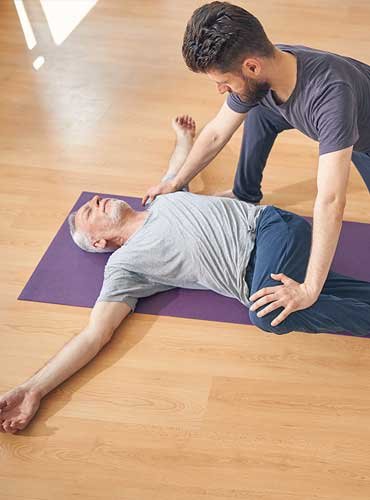
Hip osteoarthritis is a common joint condition that can cause pain, stiffness and difficulty performing everyday activities. Simple movements such as walking, climbing stairs, standing up from a chair or putting on shoes may gradually become more challenging. These changes can affect independence, physical activity and overall quality of life.
Although hip osteoarthritis is a long-term condition, appropriate exercise, lifestyle adjustments and professional guidance can help many people manage their symptoms. Physiotherapy may support better movement, improve muscle strength and help individuals remain active within their abilities.
Understanding your symptoms and learning how to manage them can make everyday activities more manageable. In this guide, we explore seven practical tips for living with hip osteoarthritis, explain how physiotherapy may help and discuss when to seek professional advice.
What Is Hip Osteoarthritis?
Hip osteoarthritis is a condition that affects the hip joint and surrounding structures. The hip is a ball-and-socket joint formed by the upper end of the thigh bone and a socket in the pelvis. Healthy cartilage helps the joint surfaces move smoothly and distributes forces during movement.
With osteoarthritis, changes occur throughout the joint, including the cartilage, underlying bone and surrounding tissues. These changes can contribute to pain, stiffness and reduced movement.
Symptoms may develop gradually and vary from person to person. Some people experience discomfort mainly during activity, while others notice stiffness after sitting for a long time or when getting out of bed in the morning.
Hip osteoarthritis does not affect everyone in the same way. The severity of symptoms does not always correspond directly to changes seen on an X-ray.
Although the condition cannot currently be cured, appropriate management can help reduce its impact on daily life.
Common Symptoms of Hip Osteoarthritis
Recognising the symptoms of hip osteoarthritis can help you decide when to seek professional assessment.
Common symptoms include:
Hip pain: Discomfort around the groin, front of the thigh or buttock, particularly during movement.
Joint stiffness: Difficulty moving the hip after waking up or sitting for an extended period.
Reduced flexibility: Difficulty bending the hip, putting on socks or getting into a car.
Walking difficulties: Pain or discomfort during longer walks or when climbing stairs.
Reduced muscle strength: Weakness around the hip and thigh that may make everyday activities more challenging.
Difficulty standing up: Discomfort when rising from a chair or getting up after resting.
Reduced activity tolerance: Needing more breaks during activities that were previously comfortable.
Hip pain can have several causes, including tendon problems, bursitis, back-related conditions and injuries. These symptoms do not automatically mean you have osteoarthritis.
A doctor or physiotherapist can assess your symptoms and help determine the likely cause.
What Causes Hip Osteoarthritis?
Hip osteoarthritis usually develops through a combination of factors rather than a single cause.
1. Age-Related Joint Changes
The likelihood of developing osteoarthritis generally increases with age. However, ageing does not mean that everyone will develop painful hip osteoarthritis.
2. Previous Hip Injuries
Some injuries can increase the likelihood of developing osteoarthritis later in life. The type and severity of the injury may influence the risk.
3. Genetics and Family History
Genetic factors can influence joint structure and the likelihood of developing osteoarthritis.
4. Body Weight and Joint Loading
Body weight can influence the mechanical demands placed on the hip joint during activities such as walking and climbing stairs. For people who are above a healthy weight, weight management may help reduce symptoms and improve overall health.
5. Hip Structure and Other Conditions
Differences in hip structure and certain underlying joint conditions may contribute to the development of osteoarthritis.
Understanding these factors can help guide management, but the exact cause is not always identifiable.
7 Helpful Tips for Managing Hip Osteoarthritis
Managing hip osteoarthritis often involves combining regular movement, appropriate exercise and practical changes to daily activities. The most suitable approach depends on your symptoms, fitness, medical history and personal goals.
1. Stay Physically Active
It may be tempting to avoid movement when your hip hurts. However, prolonged inactivity can contribute to reduced muscle strength, lower fitness and increased difficulty with everyday activities.
Suitable physical activity can help maintain mobility and support general health.
Depending on your symptoms and abilities, you might consider:
Short walks on comfortable, even surfaces.
Gentle cycling.
Water-based exercise.
Regular movement breaks after sitting.
Everyday activities that allow you to move comfortably.
Start at a manageable level and increase activity gradually. If a particular activity consistently causes a significant increase in pain, modify it and seek professional advice.
The goal is to remain active without repeatedly pushing through excessive discomfort.
2. Strengthen the Muscles Around Your Hip
The muscles around your hips and thighs help support movement, balance and everyday function.
Appropriate strengthening exercises can help improve muscle capacity and make activities such as standing up, walking and climbing stairs more manageable.
Depending on your assessment, exercises may include:
Controlled sit-to-stand movements.
Supported standing exercises.
Resistance-band exercises.
Gentle hip-strengthening movements.
Exercises targeting the thigh and buttock muscles.
Not every exercise is suitable for everyone. Your starting level should reflect your current strength, mobility and symptoms.
A physiotherapist can help select appropriate exercises and guide you on technique, repetitions and progression.
3. Avoid Remaining in One Position for Too Long
Sitting or standing in one position for an extended period may make stiffness more noticeable when you start moving again.
Consider changing positions regularly and incorporating short movement breaks into your day.
For example, you could stand up periodically during desk work, walk around your home or perform a few comfortable movements before returning to a seated activity.
If you find that your hip becomes particularly stiff after sitting, try breaking up longer periods of inactivity.
These adjustments may help you manage stiffness without making major changes to your daily routine.
4. Manage Your Activity Levels
Doing too much on a good day can sometimes lead to increased symptoms afterwards. On other days, avoiding nearly all activity may make it harder to maintain strength and fitness.
Activity pacing involves spreading tasks throughout the day and adjusting their intensity to your current ability.
You might try:
Dividing longer walks into shorter sessions.
Taking breaks during household chores.
Alternating demanding tasks with lighter activities.
Increasing exercise gradually rather than making sudden changes.
Monitoring how your hip responds later in the day.
A consistent, manageable routine is often more useful than repeatedly alternating between excessive activity and prolonged rest.
5. Maintain a Comfortable Walking Routine
Walking can support general fitness and help maintain everyday mobility. However, the appropriate distance and pace vary between individuals.
If longer walks aggravate your symptoms, consider shorter routes, flatter surfaces or planned rest breaks.
Supportive footwear may improve comfort during walking. Some people may also benefit from a walking aid, depending on their symptoms and balance.
A healthcare professional can advise whether a walking stick or another aid would be suitable and explain how to use it correctly.
If your pain is worsening or you are struggling to bear weight, seek professional assessment rather than simply trying to walk through it.
6. Make Everyday Activities Easier
Small adjustments around your home and workplace may reduce the difficulty of everyday movements.
Consider these practical ideas:
Use a chair that allows you to sit down and stand up comfortably.
Avoid very low seating if getting up from it aggravates your hip.
Keep frequently used items within easy reach.
Take your time when changing positions.
Use handrails when climbing stairs if needed.
Arrange your daily tasks to reduce unnecessary repeated movements.
These changes do not treat the underlying joint condition, but they may help you remain independent and manage daily activities more comfortably.
If you have substantial difficulty with daily tasks, an occupational therapist or other healthcare professional may be able to suggest additional adaptations.
7. Seek Professional Guidance Early
If hip pain continues, returns frequently or affects your daily activities, arrange an assessment with a doctor or physiotherapist.
A professional assessment can help identify the likely cause of your symptoms and determine which management options may be appropriate.
Physiotherapy may include individualised exercise, movement education, strengthening and advice on modifying activities.
Your treatment plan should reflect your goals. For one person, the priority may be walking comfortably around the neighbourhood. For another, it may be climbing stairs, returning to exercise or managing household activities.
Early assessment can also help identify symptoms that require medical investigation rather than routine exercise management.
How Can Physiotherapy Help with Hip Osteoarthritis?
Physiotherapy can be an important part of managing hip osteoarthritis. The aim is to help people improve physical function, manage symptoms and maintain suitable activity levels.
Treatment should be tailored to the individual’s presentation and may be combined with medical advice, weight management where appropriate and other recommended care.
Assessment of Hip Movement
A physiotherapist may ask about your pain, medical history, activity levels and the movements that are difficult for you.
The assessment may include hip movement, muscle strength, walking and functional activities such as standing up from a chair.
This information helps identify relevant movement limitations and guides the development of a suitable management plan.
Individualised Strengthening Exercises
An exercise programme may target the muscles around the hip and thigh to support movement and everyday activities.
Exercises can be adjusted according to your current ability and progressed as your strength and tolerance improve.
Some discomfort may occur during exercise, but sharp pain or a substantial and persistent worsening of symptoms should not be ignored. Your programme may need to be modified if symptoms increase significantly.
Mobility and Functional Training
Depending on your needs, physiotherapy may include exercises that help you practise functional movements.
These may focus on activities such as standing up, walking, negotiating steps or changing positions.
The goal is to improve your ability to perform relevant daily tasks rather than focusing only on individual joint movements.
Education and Activity Management
Understanding how to balance activity and recovery can help you maintain a more consistent routine.
A physiotherapist may provide advice about pacing, suitable physical activities and ways to adapt movements that currently cause difficulty.
You can learn more about PAX Physiotherapy’s services and its exercise rehabilitation services.
Physiotherapy does not reverse all joint changes caused by osteoarthritis, and results vary between individuals. Your clinician can discuss realistic goals and whether additional medical care may be needed.
Exercises and Activities to Approach Carefully
People with hip osteoarthritis do not necessarily need to avoid exercise. However, certain activities may need to be adjusted according to symptoms, mobility and general health.
Consider the following:
High-impact exercise: Running and jumping may be uncomfortable for some people. Lower-impact alternatives may be more manageable during periods of increased pain.
Deep hip movements: Deep squats or other movements requiring substantial hip bending may need modification if they aggravate symptoms.
Sudden increases in activity: Increasing walking distance, resistance or exercise intensity too quickly may trigger a flare-up.
Exercises that cause sharp pain: Stop the movement and seek advice if it produces sharp or unusual pain.
Prolonged inactivity: Avoid assuming that complete rest is the best long-term solution unless a healthcare professional has advised it for a specific reason.
These are not universal restrictions. Suitable activities vary, and many people with hip osteoarthritis can continue exercising with appropriate adjustments.
A physiotherapist can help you identify movements that are appropriate for your circumstances.
When Should You Seek Medical Advice?
Hip pain can have several causes, so it is important not to assume that every symptom is related to osteoarthritis.
Arrange a medical assessment if you experience:
Persistent or recurring hip pain.
Increasing difficulty walking or climbing stairs.
Reduced hip movement that affects daily activities.
Pain that regularly interrupts sleep.
Symptoms that are worsening despite activity adjustments.
New hip pain following an injury.
Seek urgent medical attention if you develop sudden or severe hip pain, particularly after a fall or injury, or if you cannot put weight on the affected leg.
Severe hip pain accompanied by fever may indicate a serious condition and requires urgent assessment.
Early evaluation can help identify the cause and ensure that you receive appropriate care.
How Long Does It Take to Improve Hip Osteoarthritis Symptoms?
There is no single recovery timeline for hip osteoarthritis because the condition is long-term and symptoms vary considerably.
Some people notice improvements in strength, confidence or daily function after following an appropriate exercise programme for several weeks. Others may require a longer period of gradual adjustment and ongoing management.
Progress depends on factors such as symptom severity, general health, activity levels, exercise consistency and other medical conditions.
It is also important to understand that improved symptoms do not necessarily mean that all changes within the joint have disappeared.
Rather than focusing on a specific deadline, monitor practical changes such as walking distance, ease of standing up, comfort during daily activities and the ability to maintain a regular exercise routine.
If symptoms continue to worsen or everyday activities become increasingly difficult, speak with your doctor about further management options.
Frequently Asked Questions About Hip Osteoarthritis
1. Can physiotherapy help with hip osteoarthritis?
Physiotherapy may help improve strength, mobility and everyday function for people with hip osteoarthritis. Treatment often includes individualised exercise and advice on managing activities. The most appropriate programme depends on your symptoms, health and functional goals.
2. Is walking good for hip osteoarthritis?
Walking can help maintain physical activity and general fitness. If longer walks increase your symptoms, consider shorter distances, a comfortable pace and regular breaks. A physiotherapist can help you find an appropriate starting level.
3. Should I stop exercising if my hip hurts?
Not necessarily. Some discomfort may occur during exercise, but the type and intensity of activity may need adjustment. Stop and seek professional advice if you experience sharp pain, a substantial increase in symptoms or new difficulties bearing weight.
4. Can hip osteoarthritis be reversed?
There is currently no established treatment that reliably reverses all joint changes associated with hip osteoarthritis. However, appropriate exercise, symptom management and other treatments may help improve function and quality of life.
5. What exercises are suitable for hip osteoarthritis?
Suitable exercises may include individualised strengthening, comfortable mobility exercises, walking, cycling or water-based activity. The best choices depend on your symptoms and physical abilities. Seek professional guidance if you are unsure where to start.
6. Does hip osteoarthritis always require surgery?
No. Many people manage symptoms with non-surgical approaches such as exercise, physiotherapy, activity modification and medical management. Surgery may be considered when symptoms and functional limitations remain substantial despite appropriate non-surgical treatment.
7. When should I see a physiotherapist for hip pain?
Consider an assessment if hip pain is persistent, repeatedly returns or affects walking, stairs or other daily activities. A physiotherapist can assess your movement and advise whether physiotherapy is appropriate or whether you should first seek medical investigation.
Take the Next Step Towards Better Hip Mobility
Hip osteoarthritis can make walking, climbing stairs and other everyday activities more challenging. However, an appropriate management plan can help many people remain active and work towards their personal mobility goals.
Regular physical activity, suitable strengthening exercises, activity pacing and professional guidance may help you manage symptoms and maintain everyday function.
If hip pain is affecting your routine, consider seeking an assessment to understand the possible cause and identify suitable next steps.
PAX Physiotherapy provides physiotherapy services in Modbury North, South Australia. You can explore the clinic’s available services or contact PAX Physiotherapy to enquire about your concerns and whether an appointment may be appropriate.
PAX Physiotherapy
Address: Unit 2, 438 Montague Road, Modbury North SA 5092
Phone: 08 8333 8333
Mobile: 0499 999 636
Website: https://paxphysiotherapy.com.au/
Disclaimer
This article is intended for general educational purposes only and does not replace personalised medical advice, diagnosis or treatment. Hip pain can have several causes, and the information provided here cannot confirm that a person has osteoarthritis. Consult an appropriately qualified healthcare professional for assessment and advice tailored to your symptoms.
