

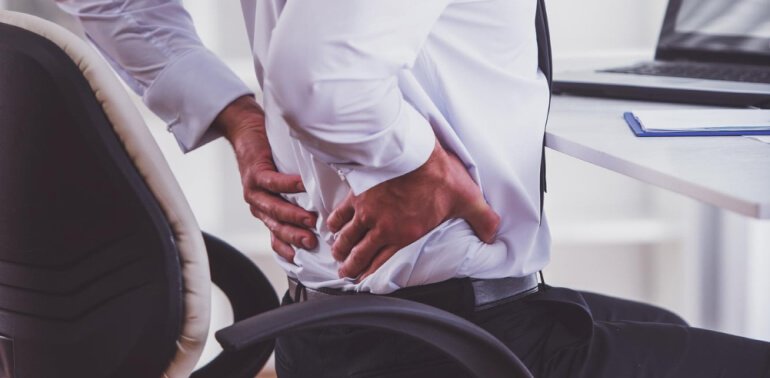
Do you experience pain around the outside of your hip when walking, climbing stairs or lying on your side? Hip bursitis is one possible cause of this discomfort. It may make everyday activities more difficult, particularly when standing for long periods, exercising or sleeping.
A bursa is a small, fluid-filled sac that helps reduce friction between tissues around a joint. When the tissues surrounding the outer hip become painful and irritated, activities involving pressure or repeated loading may aggravate the symptoms.
However, pain on the outside of the hip is not always caused by bursitis alone. Problems affecting the gluteal tendons and other structures around the hip can produce similar symptoms. A proper assessment can help identify the likely cause and guide an appropriate treatment plan.
In this article, we explain common symptoms of hip bursitis, seven practical ways to manage discomfort, and how physiotherapy may support your recovery.
What Is Hip Bursitis?
Hip bursitis refers to irritation or inflammation involving a bursa around the hip. One commonly discussed area is the greater trochanter, a bony prominence on the outside of the upper thigh.
Pain in this region is often described as greater trochanteric pain syndrome. This broader term can include irritation of the bursa and problems involving the gluteal tendons.
Symptoms may develop gradually or become noticeable after a change in physical activity. They can affect people with different activity levels, from those who spend much of the day sitting to people who regularly walk, run or participate in sports.
Understanding the cause of your hip pain is important because treatment recommendations may differ depending on which tissues are involved.
Common Symptoms of Hip Bursitis
Symptoms vary between individuals, but possible signs include:
Pain around the outside of the hip.
Tenderness when pressing the affected area.
Discomfort when lying on the painful side.
Pain when climbing stairs or walking uphill.
Discomfort after prolonged standing or walking.
Pain when getting up after sitting for a long period.
Difficulty sleeping comfortably because of hip pain.
Some people notice that symptoms become worse after increasing their walking distance or starting a new exercise routine.
If your hip pain follows a significant fall or injury, or you cannot put weight on your leg, seek urgent medical assessment rather than assuming you have bursitis.
7 Helpful Tips to Manage Hip Bursitis
Managing hip bursitis involves identifying aggravating activities, adjusting the load placed on the hip and gradually returning to comfortable movement. The following strategies may help, although the most suitable approach depends on the cause and severity of your symptoms.
1. Avoid Direct Pressure on the Painful Hip
Direct pressure can aggravate pain around the outside of the hip. For some people, this is particularly noticeable when sleeping on the affected side.
Consider these adjustments:
Avoid sleeping directly on the painful hip if it increases discomfort.
Try sleeping on your back if this is comfortable.
If you sleep on your unaffected side, place a pillow between your knees.
Choose a sleeping position that does not increase your symptoms.
Avoid repeatedly pressing or massaging a particularly tender area.
You do not necessarily need to avoid every position that involves your hip. Instead, identify positions that consistently aggravate your symptoms and modify them while the area settles.
If hip pain regularly disrupts your sleep, consider arranging a clinical assessment to establish the likely cause.
2. Temporarily Modify Activities That Increase Pain
Walking, climbing stairs and standing for long periods may aggravate hip pain in some people. Completely stopping all activity is not usually necessary, but temporarily adjusting the amount you do can help make movement more manageable.
For example:
Reduce the duration of walks if longer distances increase pain.
Break up prolonged periods of standing.
Use a handrail when climbing stairs if it helps you move comfortably.
Avoid sudden increases in exercise intensity.
Gradually build your activity level as symptoms allow.
Pay attention to how your hip feels during activity and afterward. If a particular activity causes a substantial or prolonged increase in pain, reduce its intensity or duration and consider seeking professional advice.
The aim is to remain active within your tolerance rather than repeatedly aggravating your symptoms.
3. Avoid Prolonged Positions That Irritate Your Hip
Certain positions can increase compression around the outside of the hip. For example, standing with most of your body weight resting on one leg may aggravate symptoms in some people.
Try to distribute your weight comfortably between both legs when standing. Change positions regularly rather than remaining in one posture for long periods.
When sitting, choose a comfortable position and avoid remaining still for too long. Short movement breaks may help you manage stiffness and return to activities more comfortably.
These changes may reduce unnecessary irritation, but they are not a substitute for addressing underlying strength or movement problems when those are contributing to your symptoms.
4. Use a Comfortable Walking Pace
Walking can help maintain general fitness and mobility, but the appropriate amount depends on your current symptoms.
If you notice hip pain during longer walks, consider temporarily reducing your distance or choosing a flatter route. Increase the duration gradually as your tolerance improves.
A few practical suggestions include:
Start with a distance that feels manageable.
Choose a comfortable pace.
Take breaks when necessary.
Avoid increasing walking distance and intensity at the same time.
Monitor whether your symptoms settle after activity.
You do not need to push through significant pain to make progress. If even short walks are difficult, or your symptoms are worsening, seek a professional assessment.
5. Ask About Suitable Hip Strengthening Exercises
Muscles around the hip, including the gluteal muscles, help control pelvic and leg movement during walking, stair climbing and other activities.
When appropriate, a physiotherapist may recommend exercises to improve hip strength and load tolerance. The exercises should be selected according to your symptoms, physical ability and the likely cause of your pain.
A rehabilitation programme may involve gradually progressed strengthening and functional activities. However, starting with demanding exercises or repeatedly loading a painful position may aggravate symptoms.
Avoid assuming that one exercise is suitable for everyone with hip bursitis. If an exercise causes a significant increase in pain, stop or modify it and seek guidance.
A tailored exercise programme can help you work towards everyday activities while managing the load placed on the hip.
6. Return to Exercise Gradually
If your symptoms started after a change in your exercise routine, consider whether the amount, intensity or frequency of activity increased too quickly.
Temporarily adjusting your routine may help you maintain movement without repeatedly provoking discomfort.
For example, you could reduce the duration of a painful activity, choose a lower-impact alternative or take additional recovery time between sessions.
As your symptoms improve, increase activity gradually rather than immediately returning to your previous training level.
People who run, cycle, participate in sports or perform physically demanding work may benefit from individual advice about returning to their usual activities.
If your pain continues despite reasonable adjustments, seek assessment to determine whether another condition or a more specific rehabilitation approach needs to be considered.
7. Seek Professional Assessment if Pain Persists
Hip pain can have several causes, and symptoms alone may not reliably distinguish between them.
A healthcare professional can review when your pain started, what makes it worse and how it affects your daily activities. They may assess hip movement, strength, walking and other relevant factors.
Depending on the findings, management may include activity modification, an appropriate exercise programme, physiotherapy or medical treatment.
Do not continue relying only on home remedies if your symptoms are worsening, affecting your ability to walk or regularly disturbing your sleep.
Seek urgent medical assessment if you develop severe hip pain after an injury, cannot bear weight on the affected leg, or have hip pain accompanied by fever and a hot or swollen area.
How Can Physiotherapy Help With Hip Bursitis?
Physiotherapy may help people with hip pain by identifying aggravating activities, improving movement and developing an appropriate rehabilitation plan.
The exact approach depends on whether symptoms are related to the bursa, the gluteal tendons or another condition affecting the hip.
Individual Assessment
A physiotherapist can discuss your symptoms and how they affect activities such as walking, standing, climbing stairs and sleeping.
An assessment may include examining hip movement, muscle strength, walking patterns and activities that reproduce your discomfort.
Because several conditions can cause pain around the hip, your physiotherapist may recommend medical assessment if your symptoms suggest that further investigation is needed.
Personalised Exercise Rehabilitation
Where appropriate, a physiotherapist may develop a programme to improve hip strength and tolerance for everyday activities.
Exercises can be adjusted to your current ability and progressed as your symptoms and function change.
The aim is to help you return to meaningful activities safely, rather than simply prescribing exercises without considering what causes your pain.
You can learn more about PAX Physiotherapy’s exercise rehabilitation services.
Advice on Activity and Pain Management
Understanding which activities aggravate your hip can help you make practical changes to your daily routine.
A physiotherapist may help you review walking distances, sleeping positions, exercise habits and the way you perform everyday tasks.
PAX Physiotherapy also provides information about its broader physiotherapy services, which you can review to understand the clinic’s available services.
When Other Medical Treatment May Be Needed
Physiotherapy is not the only management option for hip pain. Depending on the diagnosis and severity of symptoms, a doctor may discuss medication, further investigations, injections or other treatments.
Some conditions that resemble hip bursitis require a different approach. If your symptoms do not improve as expected, reassessment may be necessary.
Your treatment plan should be based on your individual presentation rather than the assumption that all outer-hip pain has the same cause.
How Long Does Hip Bursitis Take to Improve?
The time required for symptoms to improve varies according to the cause of the pain, its severity and the activities that aggravate it.
Some people improve after adjusting painful activities and following an appropriate rehabilitation plan. Others may experience symptoms for longer and require further assessment or changes to their treatment.
Improvement is not always immediate. Strength, movement tolerance and the ability to complete everyday activities may change at different rates.
If your symptoms are not improving, are becoming more severe or continue to interfere with sleep and walking, consult a healthcare professional rather than relying on a fixed recovery timeline.
When Should You See a Healthcare Professional?
Arrange an assessment if hip pain persists, repeatedly disturbs your sleep, limits walking or makes everyday activities difficult.
Seek prompt medical advice if your hip pain is severe, is getting worse or occurs alongside unexplained swelling or other concerning symptoms.
After a significant fall or injury, urgent assessment is important if you cannot put weight on your leg or move your hip normally. Fever with a hot, swollen or very painful hip also requires urgent medical attention.
Early assessment can help identify the likely cause of your symptoms and determine the most appropriate next steps.
Frequently Asked Questions
1. What is the main symptom of hip bursitis?
A common symptom is pain around the outside of the hip. It may become more noticeable when lying on the affected side, climbing stairs, walking or standing for long periods. Similar symptoms can occur with gluteal tendon problems and other hip conditions.
2. Is walking good for hip bursitis?
Walking may be appropriate if the amount is comfortable and does not substantially aggravate symptoms. You may need to reduce your distance, adjust your pace or choose flatter routes temporarily. If walking becomes difficult or your pain worsens, seek professional advice.
3. Should I avoid sleeping on the painful hip?
If lying directly on the painful side increases your discomfort, try another comfortable position. Sleeping on your back or placing a pillow between your knees while lying on your unaffected side may help some people.
4. Can physiotherapy help with hip bursitis?
Physiotherapy may help through individual assessment, activity modification and an appropriate strengthening programme. The approach depends on the underlying cause of your pain. A healthcare professional can help determine whether physiotherapy is suitable for your situation.
5. Are exercises recommended for hip bursitis?
Suitable exercises may help improve strength and tolerance for daily activities. However, the type and intensity of exercise matter. Exercises that repeatedly aggravate your pain may need to be modified, and individual guidance can help you choose an appropriate programme.
6. Can hip bursitis affect sleep?
Yes. Pain around the outside of the hip may become more noticeable when lying on the affected side. If symptoms regularly interrupt sleep, consider seeking an assessment to identify the cause and discuss suitable management strategies.
7. When should I seek medical attention for hip pain?
Seek assessment if pain persists, affects walking or interferes with sleep. Obtain urgent medical attention if you cannot bear weight after an injury, have severe sudden pain, or experience hip pain with fever and a hot or swollen area.
Take the Next Step Towards Better Hip Mobility
Hip bursitis and other causes of outer-hip pain can affect sleep, walking, exercise and everyday comfort. Understanding your symptoms and making appropriate adjustments to your activities may help you manage discomfort while working towards better mobility.
The most suitable approach depends on the cause of your pain. An individual assessment can help identify relevant contributing factors and determine whether physiotherapy or another form of treatment may be appropriate.
If hip pain is affecting your daily routine, contact PAX Physiotherapy to enquire about assessment and available treatment options.
PAX Physiotherapy
Address: Unit 2, 438 Montague Road, Modbury North SA 5092
Phone: 08 8333 8333
Mobile: 0499 999 636
Email: admin@paxphysiotherapy.com.au
Visit the PAX Physiotherapy Services page to learn more, or use the Contact page to enquire about an appointment.
Disclaimer: This article provides general information and does not replace individual medical advice, diagnosis or treatment. Hip pain can have several causes. Consult an appropriate healthcare professional for an assessment of your symptoms.
