

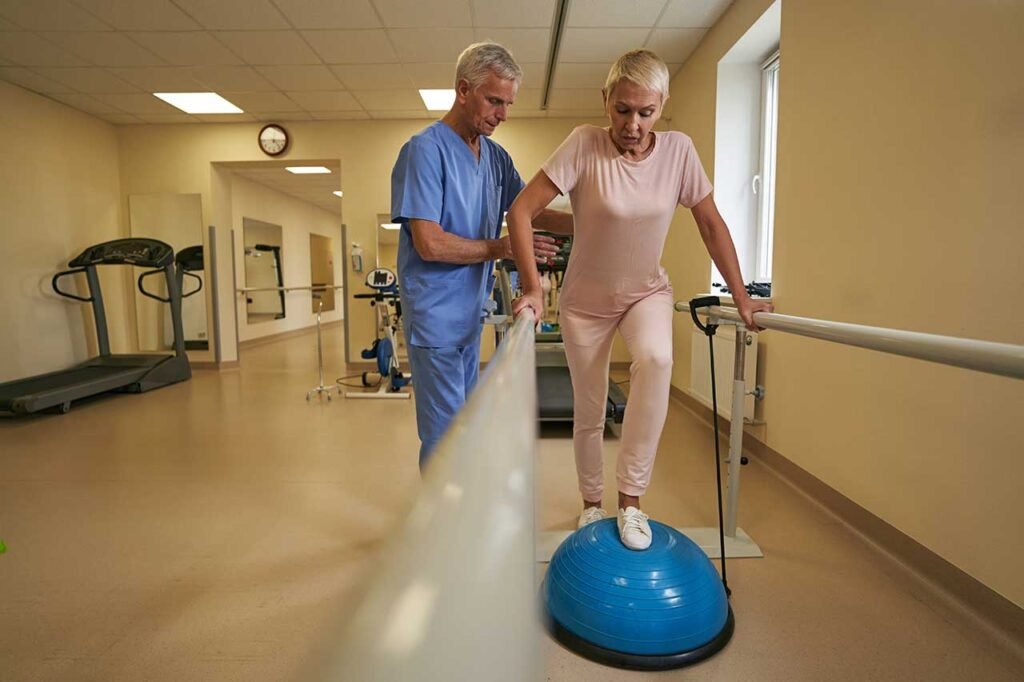
Pain on the outside of your knee can make running, cycling, climbing stairs, and even walking uncomfortable. If the discomfort becomes noticeable during repetitive activities, IT band syndrome may be one possible explanation.
IT band syndrome is commonly associated with running and other activities involving repeated knee movement. The symptoms can interfere with exercise and everyday routines, particularly when the affected area is repeatedly exposed to movements that aggravate it.
Understanding the condition, adjusting your activity levels, and following an appropriate rehabilitation programme may help you manage symptoms and work towards returning to your usual activities.
What Is IT Band Syndrome?
IT band syndrome, also known as iliotibial band syndrome, is a condition associated with pain around the outer part of the knee. The iliotibial band is a strong band of connective tissue that runs along the outside of the thigh, extending from the hip region towards the upper shin.
It helps transmit forces between the hip and lower leg during movement. In some people, repetitive activities involving knee bending and straightening can contribute to irritation around the outer knee.
IT band syndrome is often seen in runners and cyclists, but it may also affect people who participate in other repetitive physical activities.
Not all outer knee pain is caused by IT band syndrome. Meniscus problems, ligament injuries, joint conditions, and other issues can produce similar symptoms, so an appropriate assessment is important when pain persists.
Common Symptoms of IT Band Syndrome
Symptoms can vary depending on the individual and the activities that aggravate the condition.
Common symptoms include:
Pain on the outside of the knee: Discomfort may develop around the outer knee during repetitive movement.
Pain during running: Symptoms may become noticeable after running for a particular distance or period.
Discomfort when cycling: Repeated knee bending may aggravate symptoms in some people.
Pain when walking downhill: Descending slopes or stairs may increase discomfort.
Tenderness around the outer knee: The affected area may feel sensitive when touched.
Some people notice that symptoms improve when they stop the aggravating activity but return when they resume it.
If knee pain is severe, follows a significant injury, or occurs with substantial swelling or an inability to bear weight, seek medical assessment.
What Causes IT Band Syndrome?
IT band syndrome is generally associated with repetitive loading around the outer knee. The condition may develop when training demands exceed the body’s current ability to tolerate them.
Possible contributing factors include:
Suddenly increasing running distance or training intensity.
Repeated running on hills or downhill routes.
Changes in exercise routines without sufficient adjustment time.
Hip and leg strength or movement factors that influence how the lower limb handles activity.
Inadequate recovery between demanding exercise sessions.
There is not always one identifiable cause. Footwear, running technique, training history, physical capacity, and other individual factors may need to be considered rather than assuming that a single factor is responsible.
7 Helpful Tips for Managing IT Band Syndrome
1. Temporarily Modify Activities That Trigger Pain
If running or cycling consistently aggravates your knee, consider temporarily reducing the duration, intensity, or frequency of those activities.
You may be able to maintain some physical activity by choosing movements that do not significantly increase your symptoms. However, the right approach depends on the severity of your pain and your overall condition.
Avoid repeatedly pushing through worsening knee pain. The aim is to manage the load on the affected area while maintaining an appropriate level of activity.
2. Review Your Training Routine
Sudden changes in exercise demands can contribute to problems when the body has not had enough time to adapt.
Review recent changes to your running distance, speed, hills, cycling duration, or training frequency.
If you recently increased several training variables at once, consider reducing the most demanding elements temporarily. When symptoms settle, build your activity back gradually rather than immediately returning to your previous workload.
Keeping a simple training record may help you identify patterns between activity levels and symptoms.
3. Strengthen Your Hip and Leg Muscles
Strengthening exercises may help improve your ability to control and tolerate lower-limb movement during physical activity.
Depending on your assessment, a physiotherapist may recommend exercises that target the hip muscles, quadriceps, and other muscles involved in lower-limb function.
Examples may include controlled sit-to-stands, step-ups, bridges, or other progressive strengthening activities.
Start at a level appropriate for your current ability. Exercises should be adjusted if they cause sharp pain or significantly worsen your symptoms.
4. Avoid Relying Only on IT Band Stretching
Many people assume that outer knee pain always means the IT band needs to be stretched.
However, IT band syndrome is more complex than simply having a tight band of tissue. Stretching alone may not address all the factors contributing to symptoms.
Gentle mobility exercises may be appropriate for some people, but rehabilitation often also considers strength, training load, movement tolerance, and the demands of the activity that triggers the pain.
A physiotherapist can help determine which exercises are appropriate for your situation.
5. Choose Comfortable, Manageable Exercise
Staying active may still be possible while you manage IT band syndrome, provided the activities are appropriate for your symptoms.
Depending on your condition, you may be able to continue selected exercises that place less stress on the painful area.
Avoid assuming that every alternative activity will be suitable. For example, cycling may still aggravate symptoms in some individuals because it involves repeated knee movement.
Choose activities based on your response, and seek advice if you are uncertain about which exercises to continue.
6. Return to Running Gradually
Returning to running too quickly may cause symptoms to return, especially if your previous training volume was high.
Before increasing your running demands, consider whether you can walk comfortably and manage relevant strengthening exercises without significant symptom aggravation.
When appropriate, begin with a manageable amount of running and increase duration and intensity progressively.
Pay attention to how your knee responds during the activity and afterwards. If symptoms repeatedly worsen, reduce the training load and seek professional guidance.
7. Seek Physiotherapy Advice if Pain Persists
If outer knee pain continues to interfere with running, cycling, work, or daily activities, a physiotherapy assessment may help clarify the problem.
Your physiotherapist may assess knee movement, hip and leg strength, functional tasks, training history, and activities that reproduce your symptoms.
Depending on the findings, a rehabilitation programme may include activity modification, progressive strengthening, movement training, and a gradual return to sport.
Learn more about the care available through PAX Physiotherapy’s services.
How Can Physiotherapy Help With IT Band Syndrome?
Physiotherapy may help you understand your symptoms, identify relevant contributing factors, and develop a suitable plan for returning to physical activity.
Your management plan may include several components.
Movement and strength assessment: Your physiotherapist may examine your lower-limb movement, muscle strength, and tolerance for activities such as stepping, squatting, or running-related movements.
Training modification: Reviewing your exercise routine can help identify activities or training changes that may be aggravating your symptoms.
Progressive strengthening: Exercises may be selected to improve strength and the ability of your muscles to tolerate the demands of daily activities and sport.
Return-to-running guidance: If running is your goal, your rehabilitation plan may include a gradual progression based on your symptoms, strength, and functional ability.
The appropriate programme varies from person to person. If your symptoms suggest another knee condition, further medical assessment may be necessary.
You can also explore exercise rehabilitation at PAX Physiotherapy.
How Long Does IT Band Syndrome Take to Improve?
Recovery time varies according to the severity and duration of symptoms, the activities involved, and how the condition responds to changes in training and rehabilitation.
Some people improve after modifying their activities and following a suitable strengthening programme. Others may experience recurring symptoms that require a more detailed assessment and a gradual return to exercise.
There is no single recovery timeline that applies to everyone.
Avoid increasing your training simply because the pain has temporarily disappeared. Instead, consider your overall movement, strength, and ability to tolerate activity.
If your symptoms persist despite modifying your routine, or if they continue to return whenever you exercise, seek professional advice.
When Should You Seek Medical Attention?
Outer knee pain is not always caused by IT band syndrome.
Seek medical assessment if you experience significant swelling, severe pain, difficulty bearing weight, locking of the knee, or symptoms following a substantial injury.
A knee that becomes hot and red, particularly when accompanied by fever or feeling unwell, also requires prompt medical assessment.
If you are unsure about the cause of your symptoms, an appropriate examination can help determine whether further investigation or treatment is needed.
Frequently Asked Questions
1. What does IT band syndrome feel like?
IT band syndrome commonly causes pain around the outside of the knee. Symptoms may become more noticeable during running, cycling, or other repetitive movements and may improve when the aggravating activity stops.
2. Can IT band syndrome affect people who do not run?
Yes. Although it is commonly associated with running, IT band syndrome can affect people who participate in other activities involving repetitive knee movement, including cycling.
3. Should I stop running if I have IT band syndrome?
You may need to reduce or temporarily stop running if it consistently aggravates your symptoms. The appropriate decision depends on the severity of your pain and your ability to tolerate activity. A gradual return may be appropriate once symptoms and function improve.
4. Does stretching cure IT band syndrome?
Stretching alone is not a guaranteed solution. Management may also involve training modification, strengthening, and a gradual return to activity. The most appropriate programme depends on your individual assessment.
5. Can physiotherapy help with IT band syndrome?
Physiotherapy may help identify factors contributing to your symptoms and guide appropriate strengthening, activity modification, and return-to-sport planning.
6. Can IT band syndrome return after recovery?
Symptoms may return if the demands of running or other activities increase faster than your body can tolerate. Gradually rebuilding training volume and maintaining an appropriate exercise routine may help manage this risk.
7. When should I see a physiotherapist for outer knee pain?
Consider an assessment if knee pain persists, repeatedly returns during exercise, or affects your daily activities. Seek prompt medical care if you experience severe pain, substantial swelling, locking, or difficulty bearing weight.
Get Support for Knee Pain at PAX Physiotherapy
Outer knee pain can make it difficult to enjoy running, cycling, and other activities that help you stay active. Understanding your symptoms, adjusting your training, and rebuilding strength may help you work towards a more comfortable return to movement.
If persistent knee pain is affecting your daily routine or exercise goals, consider arranging an assessment to discuss your symptoms and rehabilitation options.
Visit PAX Physiotherapy’s contact page to learn more about the clinic and how to arrange an appointment.
Disclaimer: This article provides general educational information and is not a substitute for an individual medical assessment, diagnosis, or treatment plan. Consult a qualified healthcare professional for advice specific to your symptoms.
